 +971 56-580-9888
 77, M floor - Al Maiyani Street - Abu Dhabi
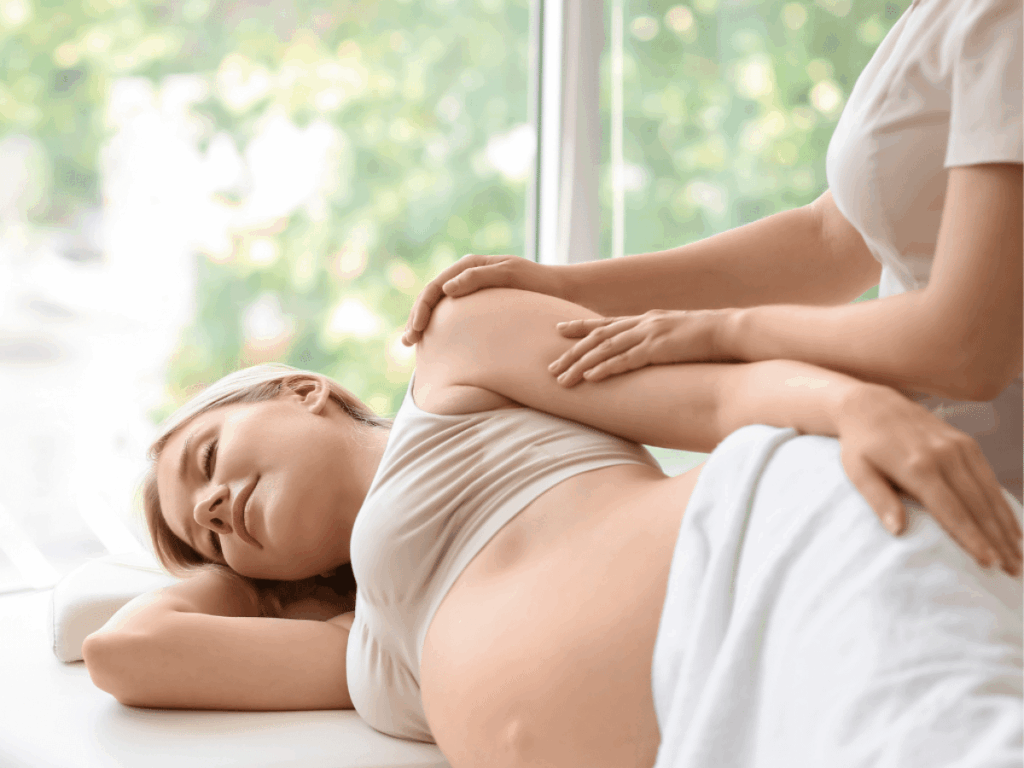
Recovering from a cesarean delivery is different from recovering from a vaginal birth, and postnatal massage needs to reflect that. A C-section is major abdominal surgery, which means the timeline, technique and areas of focus all need to be approached with more care than a standard postpartum massage.
This guide walks through a general recovery timeline for postnatal massage after a C-section, so you know roughly what to expect at each stage. It is not a substitute for medical advice, and every recovery is different, so checking with your doctor before booking any massage remains essential throughout.
Why C-Section Recovery Needs a Different Approach
A cesarean delivery involves an incision through several layers of tissue, including skin, muscle and the abdominal wall. This means the area needs proper time to heal internally, not just on the surface, before it can safely tolerate any direct massage work. Rushing this process risks disrupting healing tissue, so a cautious, staged approach is the safest way to introduce massage back into your recovery.
Weeks 0 to 2: Focus on Rest, Not Massage
In the first two weeks after a C-section, the priority is rest, gentle movement and allowing the incision to begin healing. This is generally too early for postnatal massage, particularly anywhere near the abdomen.
If you are experiencing significant tension in the neck or shoulders from feeding and holding your baby, it is worth discussing with your doctor whether very light, non-abdominal massage might be appropriate, but this should always be confirmed with your healthcare provider first rather than assumed.
Weeks 2 to 6: Gentle, Non-Abdominal Massage With Medical Clearance
Once your doctor has confirmed your incision is healing well, some women may be able to begin very gentle massage during this window, though this varies considerably from person to person. At this stage, any massage should avoid the abdomen and incision area entirely, focusing instead on:
- Shoulders and upper back, which carry tension from feeding positions
- Neck, which often tightens from looking down at your baby for extended periods
- Legs, using light, upward strokes rather than deep pressure
Deep pressure and any direct core or abdominal work should be avoided entirely during this period, since the internal healing process is still ongoing even if the external incision looks settled.
Weeks 6 to 8: The Six Week Milestone
Around six weeks is a commonly referenced point in C-section recovery, often coinciding with a postnatal check up where your doctor can assess how the incision and underlying tissue have healed. This appointment is an important checkpoint before considering any massage work closer to the abdomen or incision area.
With clearance from your doctor, some women may begin to introduce gentler abdominal adjacent work at this stage, though the incision itself typically still needs continued caution.
Weeks 8 to 12: Scar Aware Techniques, If Cleared by Your Doctor
Once your doctor has confirmed the incision has fully healed and there are no complications, some women explore techniques such as gentle lymphatic drainage, which can support circulation and may help with the appearance of scarring over time. This stage should still proceed cautiously, with your therapist working around your comfort level and any sensitivity that remains around the scar.
It is worth noting that scar tissue healing varies significantly between individuals, and some women need considerably longer than twelve weeks before this kind of work feels comfortable or is medically appropriate.
Beyond 12 Weeks: Building Toward Full Postnatal Massage
Beyond the three month mark, and always with ongoing awareness of how your body is responding, postnatal massage can generally move toward a more complete, full body session, provided your doctor has confirmed there are no remaining concerns. Even at this stage, communicating openly with your therapist about the incision area and your comfort level remains important, since sensitivity around the scar can persist for many women well beyond the initial healing period.
Signs You Should Wait Longer or Check With Your Doctor First
Regardless of how many weeks have passed, certain signs mean you should hold off on massage and speak to your doctor before proceeding, including:
- Ongoing pain, redness or swelling around the incision
- Any signs of infection, such as discharge or fever
- Persistent numbness or unusual sensitivity around the scar
- Any concerns raised at your postnatal check up that have not yet been resolved
Massage should always support your recovery, never work against it, so it is always worth erring on the side of caution if anything feels uncertain.
Why Home Massage Suits C-Section Recovery
Travelling for an appointment in the weeks after major surgery adds unnecessary strain to an already demanding recovery period. A home massage removes that barrier, allowing your session to take place in a familiar, comfortable environment without the added effort of getting yourself and a newborn out of the house.
Our pre and post natal massage service is delivered by therapists experienced in postpartum recovery, including C-section specific care, bringing everything needed directly to your home in Dubai or Abu Dhabi. You can also read more about the precautions we take for postnatal clients in our guide to pre and postnatal massage safety.
Frequently Asked Questions
How soon after a C-section can I get a massage? This varies by individual, and any massage in the early weeks should avoid the abdomen entirely and only proceed with your doctor’s clearance. Many women wait until after their six week check up before considering anything closer to the incision area.
Is it safe to massage the C-section scar itself? Scar work should only be considered once your doctor has confirmed the incision has fully healed, which is often around eight to twelve weeks, though this timeline varies significantly between individuals.
What areas can be massaged safely in the early weeks after a C-section? With medical clearance, gentle work on the shoulders, neck and legs is generally considered safer than abdominal work in the early postpartum weeks, since these areas are unaffected by the surgical site.
Can massage help with C-section scar healing? Some women explore techniques such as gentle lymphatic drainage once fully healed and cleared by their doctor, which may support circulation and comfort around the scar, though results and suitability vary between individuals.
Do I need my doctor’s permission before booking a postnatal massage after a C-section? Yes. Because a C-section is a surgical procedure, it is important to get clearance from your doctor before booking any massage, and to keep your therapist informed of your recovery stage and any concerns throughout.
Conclusion
Postnatal massage after a C-section follows a more cautious timeline than recovery after a vaginal birth, reflecting the reality that a cesarean is major abdominal surgery.
Moving from rest in the earliest weeks, through gentle non-abdominal work, toward scar aware techniques only once fully healed, protects your recovery while still offering the comfort and relief massage can provide. Throughout every stage, your doctor’s guidance should lead the way, with massage supporting your recovery rather than rushing it.
Book Your Postnatal Massage at Home
Ready to support your C-section recovery with a gentle, experienced approach in the comfort of your own home? Contact our team to discuss timing and book your postnatal massage in Dubai or Abu Dhabi.