 +971 56-580-9888
 77, M floor - Al Maiyani Street - Abu Dhabi
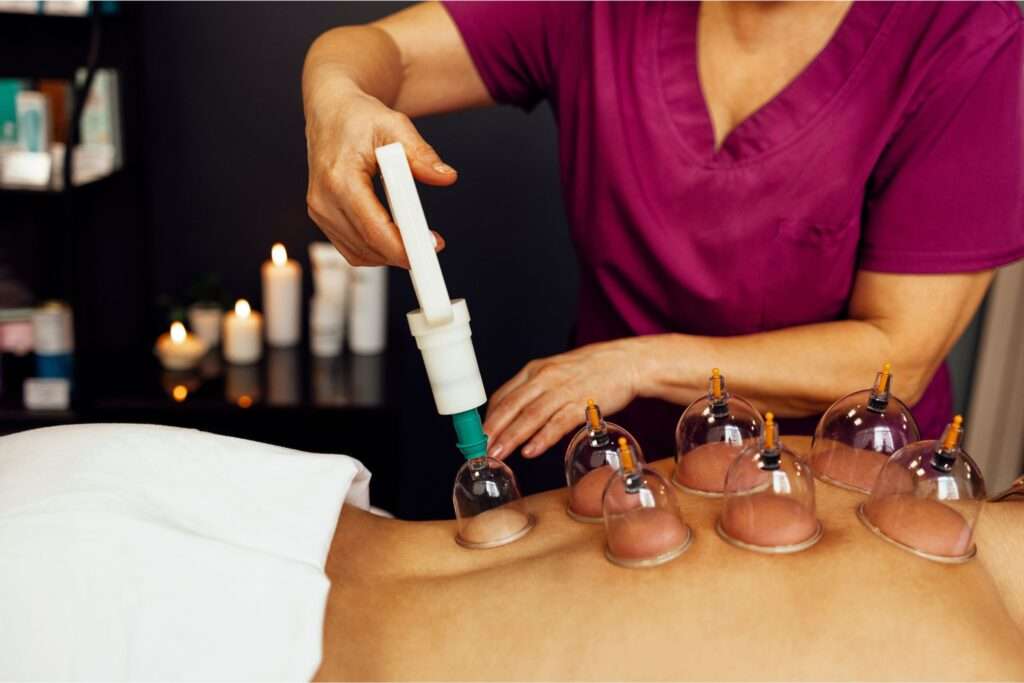
Cupping therapy has become one of the most popular natural treatments for muscle pain, tension relief, inflammation reduction, detoxification, and overall wellness. While many people swear by its benefits, one common question remains: Is cupping safe?
The short answer is yes—when performed by a trained professional, cupping is considered safe, non-invasive, and highly effective. However, like any therapy, it requires proper aftercare and understanding of mild side effects.
This guide explains how safe cupping really is, the possible reactions you may experience, and how to take care of your body after a session.
What Makes Cupping a Safe Therapy?
Cupping works by creating suction on the skin using glass, silicone, or plastic cups. This suction pulls the skin and fascia upward, increasing blood flow and releasing tight muscle tissue.
Cupping is considered safe because:
-
It uses no chemicals or medications
-
It is non-invasive (no needles or breaking the skin)
-
Cups only stay on for a short time
-
It supports natural healing processes
-
It can be customized to each person’s comfort level
When performed by a trained therapist, cupping is safe for most adults and offers immediate relief.
Common Side Effects of Cupping (All Temporary)
Although safe, cupping may cause some mild, temporary reactions. These are natural responses and usually go away within a few hours or days.
1. Circular Marks or Discoloration
These marks are not bruises—they are caused by increased blood flow, toxin release, and lymphatic activation.
They may appear dark but fade gradually within 3–7 days.
2. Mild Soreness or Tenderness
You may feel soreness similar to a deep tissue massage. This usually disappears quickly as muscles relax.
3. Warmth or Tingling
Increased circulation can cause warmth or tingling in the treated area, which is normal.
4. Light Bruising (Rare)
People who bruise easily may experience small, mild bruises, especially during their first cupping session.
5. Fatigue or Sleepiness
Cupping activates the parasympathetic nervous system, causing deep relaxation. Feeling sleepy afterward is normal.
6. Increased Urination
Cupping stimulates lymphatic drainage, which may increase urination as the body flushes out toxins.
Who Should Avoid or Consult Before Cupping
Although safe for most people, some individuals should consult a healthcare provider before trying cupping.
Avoid or get professional guidance if you have:
-
Severe varicose veins
-
Bleeding disorders
-
Very thin or damaged skin
-
Recent injury or surgery
-
Active infection or inflammation
-
Heart or circulation conditions
-
Pregnancy (for abdominal or lower back cupping)
A trained therapist will always review your health history before treatment.
Aftercare: What to Do After a Cupping Session
Proper aftercare enhances healing and reduces discomfort.
1. Stay Hydrated
Drink plenty of water to help flush out toxins and support lymphatic drainage.
2. Avoid Cold Exposure
For 24 hours, avoid:
-
Cold showers
-
Air conditioning directly on the area
-
Swimming
-
Cold winds
Your skin and muscles are more sensitive after treatment.
3. Avoid Intense Exercise
Give your body time to recover. Wait at least 12–24 hours before strenuous activity.
4. Do Not Scrub or Exfoliate the Area
Cupping can make the skin more sensitive. Be gentle with the treated area for a day or two.
5. Keep the Area Warm
Warmth helps muscles recover and enhances therapeutic benefits.
6. Avoid Alcohol and Excess Caffeine
These can slow down the detoxification process. Stick to water or herbal drinks.
Best Practices for Safe Cupping Sessions
To ensure a safe and effective experience:
Choose a Certified Therapist
Professional technique matters. Always visit someone trained and experienced.
Communicate Your Comfort Level
Cupping should feel relaxing—not painful. Tell your therapist if the suction feels too strong.
Follow Recommended Session Frequency
Most people benefit from weekly or bi-weekly sessions based on their needs.
Understand Normal Reactions
Marks and light soreness are normal and temporary.
Final Thoughts
Cupping therapy is a safe, natural, and effective treatment for muscle pain, tension relief, detoxification, and improved circulation. While mild discoloration or soreness may appear, these temporary side effects are completely normal and part of the healing process.
When done by a trained professional and followed with proper aftercare, cupping is one of the safest wellness therapies available today.