 +971 56-580-9888
 77, M floor - Al Maiyani Street - Abu Dhabi
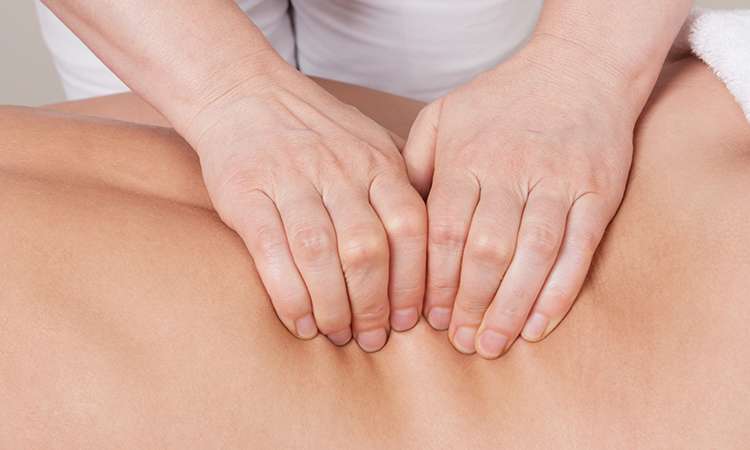
Deep tissue massage has become one of the most recommended therapies for people dealing with chronic muscle tension, stress-related pain, and tightness caused by daily activities or physical training. Unlike lighter relaxation massages, deep tissue massage goes further — working through the superficial layers of muscle to reach the deeper structures where long-term tension, knots, and restrictions often hide.
Whether you’re an office worker with neck stiffness, an athlete with muscle tightness, or simply someone looking for long-lasting relief, deep tissue massage provides powerful therapeutic benefits. This article explores how deep tissue massage works, when you need it, and why it’s one of the most effective treatments for long-term muscular health.
What Is Deep Tissue Massage?
Deep tissue massage is a targeted technique that uses firm, slow pressure to release tension in deeper layers of muscle, fascia, and connective tissue. By applying controlled pressure using the elbows, knuckles, and forearms, the therapist works into the layers of muscle that often hold chronic pain.
Unlike Swedish massage, which focuses on calming the body, deep tissue massage focuses on correcting the problem — not just soothing it.
Why Do Muscles Develop Deep Tension?
Muscles don’t become tight overnight. Deep tension builds over time due to:
-
Poor posture
-
Long hours sitting
-
Stress and anxiety
-
Old injuries
-
Overuse from exercising
-
Repetitive movements
-
Lack of stretching
-
Poor sleep habits
All these factors create adhesions, also known as knots. These adhesions restrict movement, reduce blood flow, and eventually cause pain. Deep tissue massage breaks these knots apart, helping the body heal naturally.
How Deep Tissue Massage Works
1. Releases Trigger Points
Trigger points are specific spots where knots form and radiate pain to other areas. Deep tissue massage applies slow, firm pressure to deactivate these points and relieve pain.
2. Breaks Down Scar Tissue
After injuries, scar tissue develops around the muscles, restricting mobility. Deep tissue massage helps break down this tissue and restore free movement.
3. Improves Blood Circulation
Deep pressure increases blood flow, bringing oxygen and nutrients to tight areas. This speeds up healing and reduces inflammation.
4. Restores Muscle Balance
By relaxing overworked muscles, deep tissue massage helps your body return to proper alignment.
Benefits of Deep Tissue Massage
1. Relieves Chronic Pain
Deep tissue massage is one of the most effective non-medical treatments for long-term pain. It helps with:
-
Lower back pain
-
Neck stiffness
-
Shoulder tension
-
Sciatica
-
Hip tightness
-
Leg cramps
-
Headaches from muscle tension
2. Improves Posture
Most posture issues begin in tight, shortened muscles. Deep tissue massage relaxes these muscles, allowing the spine and shoulders to return to a natural position.
3. Enhances Flexibility & Mobility
Tight muscles make movement painful. Deep tissue massage breaks down tension, increasing flexibility and range of motion.
4. Speeds Up Recovery for Athletes
Athletes often use deep tissue massage to:
-
Recover faster
-
Reduce the risk of injury
-
Improve performance
-
Loosen tight muscles
-
Release lactic acid buildup
5. Reduces Stress & Anxiety
Even though the pressure is deep, the slow, rhythmic strokes activate the parasympathetic nervous system, reducing stress and giving the mind a sense of calm.
6. Helps With Sleep Quality
By releasing long-held muscle tension, deep tissue massage can help improve your sleep cycle.
7. Supports Injury Rehabilitation
Whether it’s old injuries or new strain, deep tissue massage helps the body heal by increasing muscle function and circulation.
Who Should Get Deep Tissue Massage?
Highly Recommended For:
-
Desk workers
-
People with chronic pain
-
Athletes
-
Gym-goers
-
Individuals recovering from injuries
-
Anyone with persistent muscle stiffness
-
People experiencing stress-related body tension
Not Ideal For:
-
People with blood clotting issues
-
Individuals with severe osteoporosis
-
Pregnant women (choose prenatal massage instead)
-
Anyone with recent surgical wounds
Always consult your therapist if you have medical concerns.
What to Expect During a Session
1. Assessment
The therapist discusses your pain, lifestyle, injuries, and goals.
2. Warm-Up
Light pressure prepares the muscles.
3. Deep Pressure Application
Using elbows, forearms, and knuckles, the therapist works slowly into the deeper layers of muscle.
4. Controlled Discomfort
The pressure may feel intense, but it should never feel sharp or unbearable. Good pain = release. Bad pain = stop.
5. Aftercare
Clients may experience:
-
Mild soreness
-
Warmth
-
Muscle looseness
-
Increased flexibility
Drinking water afterward helps remove toxins released during the massage.
Signs You Need a Deep Tissue Massage
You may benefit from deep tissue massage if you experience:
-
Pain that keeps returning
-
Tight knots that never relax
-
Poor posture or rounded shoulders
-
Mobility restrictions
-
Pain that spreads to the head or lower back
-
Muscle stiffness after sitting for hours
-
Body heaviness or fatigue
Deep tissue massage targets the root cause, not just the symptoms.
How Often Should You Get Deep Tissue Massage?
For chronic pain:
Every 1–2 weeks
For athletic maintenance:
Once per week
For general wellness:
Once every 3–4 weeks
Consistency creates long-lasting results.
Deep Tissue Massage vs. Swedish Massage
| Feature | Deep Tissue | Swedish |
|---|---|---|
| Pressure | Firm/Deep | Gentle/Light |
| Focus | Corrective | Relaxation |
| Best For | Pain & knots | Stress relief |
| Speed | Slow & targeted | Smooth & flowing |
Both are beneficial, but deep tissue provides deeper structural healing.
Conclusion
Deep tissue massage is one of the most powerful ways to relieve chronic pain, restore flexibility, and improve long-term muscle health. It addresses the deeper layers of tension that stretching or light massage cannot reach. Whether you’re dealing with daily stress, old injuries, or muscle tightness, deep tissue massage offers long-lasting relief and renewed mobility.