 +971 56-580-9888
 77, M floor - Al Maiyani Street - Abu Dhabi

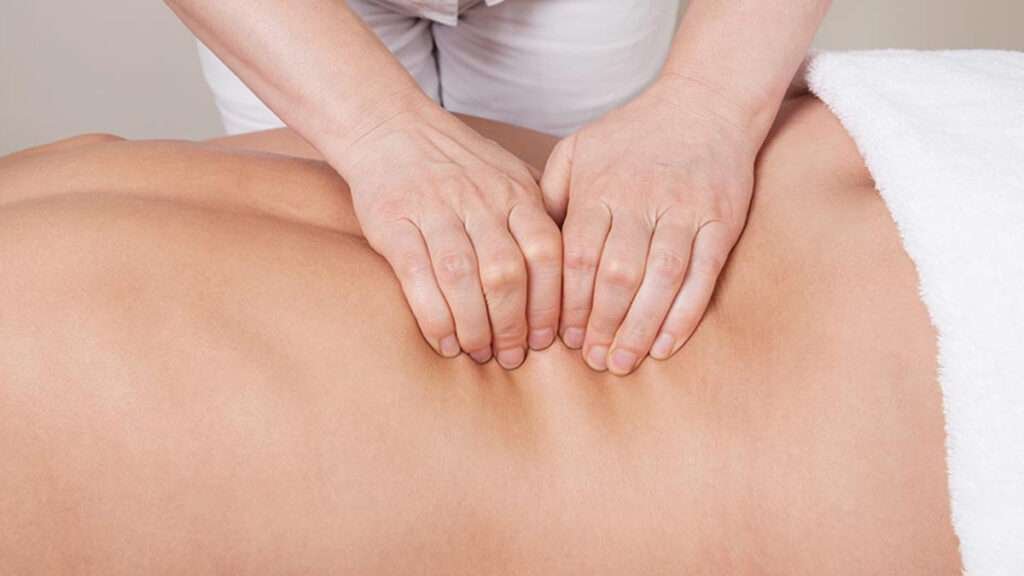
Deep tissue massage for athletes helps tight, overworked muscles recover between training sessions by easing soreness and restoring range of motion. For best results, book it 24 to 48 hours after a hard session, not right before one. Revives Home Spa offers deep tissue massage at home in Dubai and Abu Dhabi, so you can recover without leaving the house.
Key takeaways
- Deep tissue massage uses slow, firm pressure on deeper muscle layers and connective tissue.
- Research links massage to less muscle soreness and better flexibility after exercise.
- Massage does not directly boost strength, sprint or endurance performance.
- Schedule deep work on rest days or at least 24 hours before your next hard session.
- A 60 or 90 minute session suits most athletes, depending on training load.
What is deep tissue massage for athletes?
Deep tissue massage is a hands-on therapy that uses slow strokes and firm, sustained pressure to reach the deeper layers of muscle and fascia. For athletes, the goal is to release areas that stay tight after repeated training, such as calves, hamstrings, hip flexors, shoulders and the lower back.
Unlike a relaxation massage, deep tissue work targets stubborn knots that build up over weeks of running, lifting or playing sport.
At Revives, our certified therapists adapt each deep tissue massage session to the muscles you train hardest.
What does the research say about massage and recovery?
Research shows massage is one of the most effective tools for reducing post-exercise soreness and perceived fatigue. However, the evidence does not support claims that massage directly improves performance.
Here is what two major reviews found:
- Soreness and fatigue: A 2018 meta-analysis of 99 studies, published in Frontiers in Physiology, compared recovery methods such as cryotherapy, compression and active recovery. The authors found massage was the most powerful technique for recovering from delayed onset muscle soreness (DOMS) and fatigue.
- Flexibility and soreness, not performance: A 2020 review by Davis and colleagues in BMJ Open Sport & Exercise Medicine pooled 29 studies with 1,012 participants. Massage gave a small improvement in flexibility and a 13% improvement in DOMS. It did not improve strength, jump, sprint or endurance results.
In short, massage helps you feel better and move more freely between sessions, even if it does not make you faster.
How does deep tissue massage support recovery between training sessions?
Deep tissue massage supports recovery by reducing muscle tension, easing soreness and restoring mobility, so you can return to training sooner.
Reduces lingering muscle tightness
Hard training leaves some muscles short and tense. Slow, firm strokes help those areas relax, which can make stretching and warm-ups feel easier the next day.
Restores range of motion
Better flexibility helps your joints move through their full range. For example, looser hips and ankles can make squats, lunges and running strides feel smoother.
When should athletes book a deep tissue massage?
The best time for deep tissue massage is 24 to 48 hours after a hard session or on a rest day. Avoid deep pressure on the day of a race or key workout, since muscles can feel heavy or tender for a day afterwards.
| Timing | Best massage type | Main goal |
|---|---|---|
| 1 to 2 hours before training | Light sports massage | Warm up muscles |
| Within 2 hours after training | Light, flushing massage | Ease immediate tension |
| 24 to 48 hours after hard training | Deep tissue massage | Reduce soreness, restore mobility |
| Rest day | Deep tissue massage | Target chronic tight spots |
| Day of competition | Avoid deep pressure | Keep muscles fresh |
If you want more detail on pre-workout and post-workout sessions, read our guide on sports massage before or after a workout.
How often should athletes get deep tissue massage?
Most athletes benefit from deep tissue massage every 1 to 4 weeks, depending on training volume.
- Recreational athletes (2 to 4 sessions a week): once a month
- Regular competitors (5 or more sessions a week): every 2 weeks
- Heavy training blocks or race build-ups: weekly
- After a marathon, triathlon or tournament: one session 2 to 3 days later
Listen to your body as well. If soreness lasts more than three days, or you feel sharp pain, see a doctor or physiotherapist before booking more deep work.
How to get the most from your recovery massage
A recovery massage works best when you prepare for it and look after your body afterwards. Follow these steps:
- Tell your therapist about your sport. Mention your training schedule, recent races and any sore areas.
- Agree on pressure. Ask for firm work, but speak up if it becomes painful.
- Move gently afterwards. A short walk or light stretching helps your muscles settle.
- Plan an easy day next. Avoid a hard workout for at least 24 hours after deep pressure.
Why choose home deep tissue massage in Dubai and Abu Dhabi?
Home massage removes the drive to and from a spa, so you stay relaxed after your session.
Revives Home Spa brings a massage table, fresh linens and premium oils to your home in Dubai or Abu Dhabi. Sessions start from 249 AED for 60 minutes, and our therapists hold a 4.9 out of 5 rating from 274 Google reviews. You can also pair deep tissue work with a dedicated sports massage during competition season.
Frequently asked questions
Is deep tissue massage good for athletes?
Yes, deep tissue massage is good for athletes who want less soreness and better flexibility between sessions. Reviews of the research link massage to reduced muscle soreness and fatigue after exercise. However, it does not directly improve strength or speed, so treat it as part of recovery, not a performance shortcut.
How long after a workout should I get a deep tissue massage?
Book deep tissue massage 24 to 48 hours after a hard workout for the best results. A lighter flushing massage suits the first few hours after training. Avoid deep pressure on the day of a race or key session.
Does deep tissue massage hurt?
Deep tissue massage can feel intense, but it should not be painful. Your therapist works with firm, slow pressure and adjusts it to your comfort. Mild tenderness for a day afterwards is normal. Sharp pain means you should tell your therapist straight away.
What is the difference between sports massage and deep tissue massage?
Sports massage is tailored to an athlete’s training cycle and can be light or firm, before or after exercise. Deep tissue massage always uses slow, firm pressure on deeper muscle layers. Many athletes use sports massage around events and deep tissue massage on rest days.
Conclusion
Deep tissue massage for athletes is a practical way to ease soreness, loosen tight muscles and recover between training sessions. Research supports its effect on soreness, fatigue and flexibility. Time it 24 to 48 hours after hard efforts, and match how often you book to your training load.
Book your recovery session today
Ready to recover properly before your next session? Revives Home Spa brings certified therapists to your home anywhere in Dubai and Abu Dhabi. Call +971 56-580-9888 or book online to schedule your deep tissue massage.