 +971 56-580-9888
 77, M floor - Al Maiyani Street - Abu Dhabi
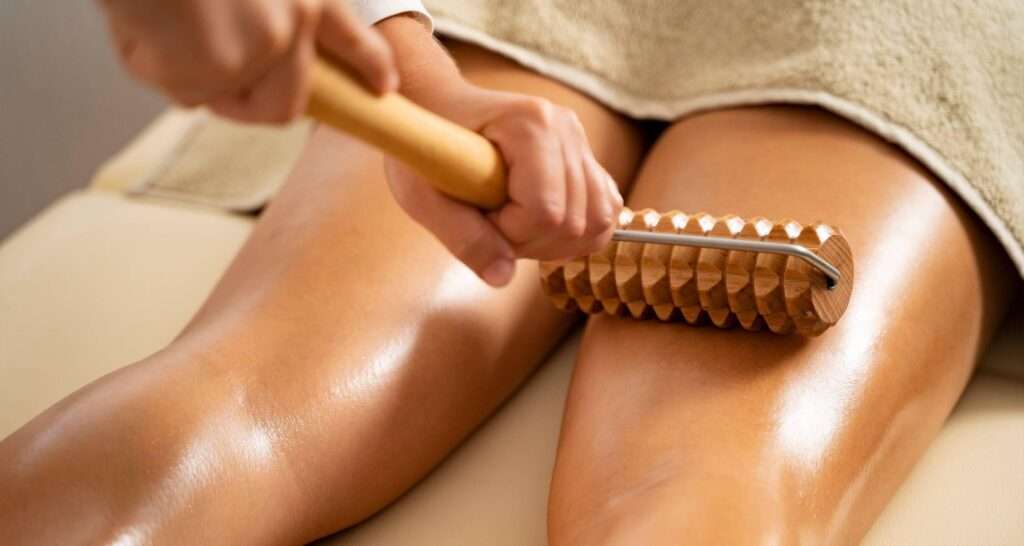
Maderotherapy has built a strong reputation as a natural, effective way to address cellulite and support body contouring, and for many people it is a genuinely safe, non-invasive treatment. However, no massage technique is universally appropriate, and the firm pressure involved in wood therapy means it is not the right choice for everyone.
Understanding who should avoid maderotherapy, and why, helps ensure the treatment is both safe and effective, and gives you the confidence to have an informed conversation with your therapist before booking.
Why Contraindications Matter for Maderotherapy
Maderotherapy uses specially shaped wooden tools applied with firm, deliberate pressure to break down fatty deposits, improve circulation and stimulate lymphatic drainage. This firmness is part of what makes the treatment effective, but it also means the technique places genuine mechanical stress on tissue, blood vessels and, in some cases, underlying structures.
For most healthy adults, this pressure is well tolerated and produces no adverse effects. For certain individuals or conditions, however, the same pressure can pose a risk, which is why a proper consultation before treatment matters as much as the session itself.
Who Should Avoid Maderotherapy
Pregnant Women
Maderotherapy is generally not recommended during pregnancy. The firm pressure and focus on circulation and lymphatic stimulation are not considered appropriate for the abdominal and lower body areas during pregnancy, and hormonal changes already affect skin and tissue in ways that make this style of treatment unsuitable. Pregnant clients looking for massage should ask about treatments specifically designed for pregnancy instead.
People With Blood Clotting Disorders or on Blood Thinning Medication
Because maderotherapy stimulates circulation and works directly on blood vessels close to the skin’s surface, it is not suitable for anyone with a diagnosed blood clotting disorder, a history of deep vein thrombosis, or those taking blood thinning medication. The firm pressure involved can increase the risk of bruising or, in more serious cases, dislodging a clot.
Individuals With Varicose Veins or Fragile Blood Vessels
Firm pressure applied over varicose veins or areas with fragile, close-to-surface blood vessels can cause discomfort, bruising or, in some cases, damage to the vessel itself. Clients with significant varicose veins should discuss this with their therapist, as certain areas may need to be avoided or treated with much lighter pressure.
Those With Skin Conditions or Open Wounds
Any area with broken skin, active infection, open wounds, severe eczema, psoriasis flare-ups or recent sunburn should not be treated with maderotherapy. The firm contact and movement of the wooden tools can aggravate these conditions and increase the risk of further skin damage or infection.
People With Recent Surgery or Untreated Injuries
Areas that have undergone recent surgery, or that have an untreated injury such as a fracture, sprain or significant soft tissue damage, should not be treated with maderotherapy until fully healed and cleared by a medical professional. The mechanical pressure involved is not appropriate for tissue that is still in an active healing phase.
Individuals With Cancer or a History of Cancer
Clients who are currently undergoing cancer treatment, or who have a history of cancer, should consult their doctor before booking maderotherapy. Because the treatment stimulates lymphatic flow, some medical professionals advise caution, particularly in cases involving lymphatic or circulatory system cancers, or where lymph nodes have been affected by treatment.
People With Severe Osteoporosis
Because maderotherapy involves firm pressure over bony areas as well as soft tissue, individuals with severe osteoporosis or significantly reduced bone density should approach the treatment with caution, since the pressure involved may not be appropriate for fragile bone structure.
Those With Uncontrolled Chronic Conditions
Clients with uncontrolled diabetes, significant cardiovascular conditions, or other chronic health conditions that affect circulation, healing or skin integrity should consult their doctor before booking, since these conditions can affect how the body responds to firm massage pressure.
What to Disclose Before Your Session
A thorough consultation before your first maderotherapy session is one of the most important safety steps, and being open about your health history allows your therapist to adapt the treatment appropriately or advise against it where necessary. It is worth disclosing:
- Any current pregnancy or recent childbirth
- Blood clotting disorders or blood thinning medication
- Varicose veins or circulatory conditions
- Any skin conditions, recent injuries or surgeries
- A current or past cancer diagnosis
- Chronic health conditions such as diabetes or cardiovascular disease
A qualified therapist will use this information to determine whether maderotherapy is appropriate, whether certain areas need to be avoided, or whether a gentler alternative treatment would be a better fit.
Mild Side Effects to Expect Even When Suitable
Even for clients who are good candidates for maderotherapy, some mild, temporary effects are normal and expected. These can include light bruising, tenderness in treated areas, and mild redness that typically resolves within a day or two. These effects are generally a normal response to the firm pressure involved rather than a sign of a problem, though anything unusually severe or persistent should be discussed with your therapist.
Alternatives Worth Considering
If maderotherapy is not suitable for you, this does not mean body contouring or circulation-focused treatments are off the table entirely. Gentler options such as lymphatic drainage massage use much lighter pressure and are often appropriate for clients who need to avoid the firmer technique used in wood therapy, including many of those with circulatory sensitivities. Your therapist can advise on the most suitable option based on your specific health circumstances.
Why a Professional Consultation Matters
Attempting wood therapy tools at home, without a professional consultation, removes the safety check that makes maderotherapy appropriate for most clients in the first place. A trained therapist not only applies the correct technique but also screens for contraindications, adjusts pressure to the individual, and knows when to recommend against treatment altogether. This is one of the clearest reasons professional maderotherapy differs so significantly from attempting similar techniques without guidance.
Frequently Asked Questions
Can I have maderotherapy while pregnant? No, maderotherapy is generally not recommended during pregnancy due to the firm pressure involved and the treatment’s focus on circulation and lymphatic stimulation.
Is maderotherapy safe if I have varicose veins? It depends on severity. Clients with significant varicose veins should discuss this with their therapist, since certain areas may need to be avoided or treated with lighter pressure.
Can I get maderotherapy if I am on blood thinners? This is generally not recommended, since blood thinning medication increases the risk of bruising and other complications from the firm pressure used in the treatment.
Should I tell my therapist about past surgeries before a maderotherapy session? Yes, disclosing any recent surgery or untreated injury is essential, since the treated area may need to be avoided until fully healed.
Is there a gentler alternative to maderotherapy if I have a contraindication? Yes, lymphatic drainage massage uses much lighter pressure and is often a suitable alternative for clients who need to avoid the firmer technique used in maderotherapy.
Conclusion
Maderotherapy is a safe and effective treatment for most healthy adults, but it is not suitable for everyone. Being upfront about pregnancy, medical conditions, medications and recent injuries during your consultation is the best way to ensure the treatment is both safe and effective for you.
If you are considering maderotherapy and want expert advice on whether it is right for you, book a consultation with Revives Home Spa and discuss your health history with one of our experienced therapists in Dubai or Abu Dhabi.