 +971 56-580-9888
 77, M floor - Al Maiyani Street - Abu Dhabi
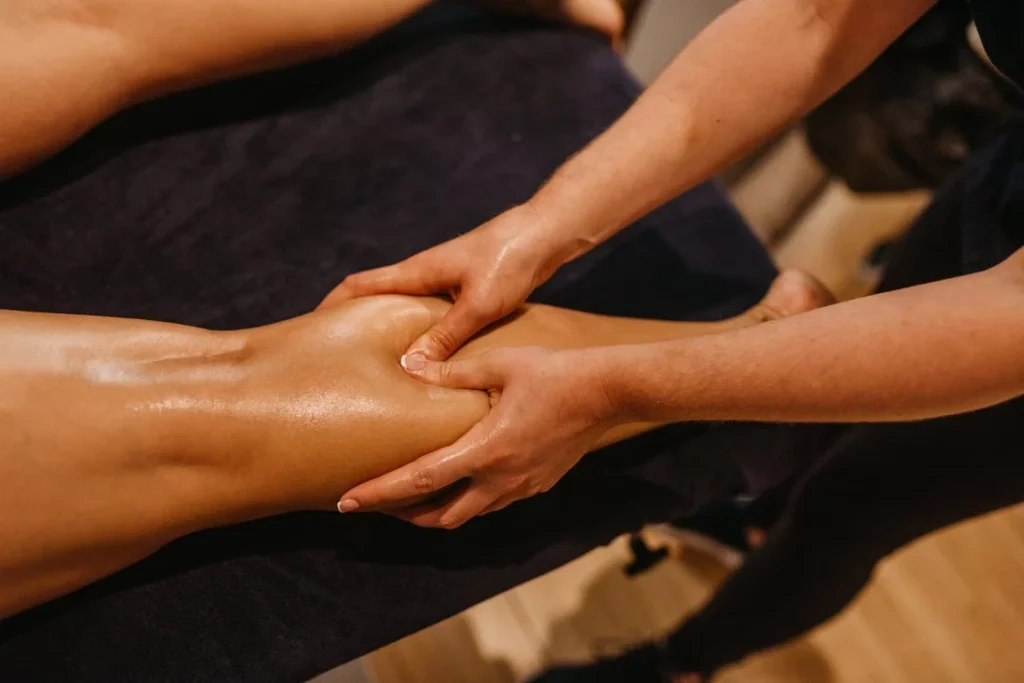
If you’re serious about fitness, training, or athletic performance, you already know that hard work in the gym or on the field is only part of the equation. Recovery, rest, and smart body care are equally important. That’s where sports massage comes in. At Revives.ae, we specialize in targeted, therapeutic massage protocols tailored to athletes and active individuals in Dubai.
In this article, you’ll learn:
-
What sports massage is and how it differs from other types
-
The key benefits it offers
-
Common techniques and when to use them
-
How often you should book sessions
-
Tips to maximize results
-
Why choosing a qualified therapist matters
By the end, you’ll understand why sports massage isn’t a luxury — it’s an essential component of any serious training program.
What Is Sports Massage & How Is It Different?
Sports massage is a specialized form of therapeutic massage focused on muscles, tendons, fascia, and circulation in the context of athletic performance and recovery. Unlike relaxation massage, sports massage is goal-oriented: reducing muscle tension, preventing injury, improving range of motion, and speeding recovery.
Key differences:
-
Intensity & specificity: More depth, trigger point work, stretching, and joint mobilization targeted to muscles used in training
-
Timing-based protocols: Pre-event, mid-training, or post-event massage techniques differ in purpose and style
-
Functional approach: It often integrates with injury prevention, rehab, and performance plans
Top Benefits of Sports Massage
1. Faster Recovery & Reduced Muscle Soreness
After intense workouts, muscles accumulate metabolic waste (like lactic acid). Sports massage enhances blood circulation and lymphatic drainage, helping flush toxins and deliver nutrients to speed up repair.
2. Improved Flexibility & Range of Motion
Tight muscles limit movement and may increase injury risk. By lengthening tissues, releasing adhesions, and mobilizing joints, sports massage helps you move more freely.
3. Reduced Muscle Tension, Knots & Trigger Points
Targeted pressure, friction, and stretching break down adhesions, reduce stiffness, and relieve focal areas of tightness.
4. Boosted Circulation & Healing
Enhanced blood flow brings oxygen and nutrients to muscle fibers, aiding repair and reducing inflammation.
5. Injury Prevention & Rehabilitation
Regular sessions help correct muscular imbalances, maintain tissue health, and support recovery from overuse injuries.
6. Mental Relaxation & Stress Relief
Beyond the physical, massage calms the nervous system, reduces cortisol, releases endorphins, and helps athletes recharge mentally.
When to Use Sports Massage: Pre, Mid, Post
| Timing | Purpose | Techniques / Focus |
|---|---|---|
| Pre-event / Pre-training | Prime muscles, increase readiness, reduce injury risk | Light effleurage, dynamic stretching, activation techniques Kaizen Health Group+1 |
| During training / maintenance | Alleviate tightness, support ongoing training | Medium pressure, trigger point release, stretching, cross-fiber work |
| Post-event / Recovery | Aid regeneration, reduce soreness & stiffness | Sweeping strokes, light to moderate pressure, passive stretching, drainage work Kaizen Health Group+22before+2 |
Choosing the right protocol depends on your training cycle, the intensity of exercise, and your recovery needs.
Techniques Commonly Used in Sports Massage
-
Myofascial release — Gentle sustained pressure to stretch fascia
-
Trigger point therapy — Focused pressure on tight spots
-
Cross-fiber friction / transverse friction — Break adhesions by working across muscle fibers
-
Deep tissue / structural integration — To address deeper layers
-
Stretching & assisted mobilization — Active (you assist) or passive (therapist moves)
-
Compression / sweeping strokes — For circulation support
A skilled therapist will customize a blend of these based on your needs.
How Often Should You Get a Sports Massage?
Frequency depends on your training volume, goals, and how your body responds. As a guideline:
-
General fitness / occasional athlete: once every 2–4 weeks
-
Regular training / competitive athlete: weekly to bi-weekly
-
During intense blocks or after competitions: more frequent, e.g. 2–3 times per week
Always monitor how your body responds — too much intense work without integration may cause soreness or fatigue.
Tips to Maximize Your Sports Massage Results
-
Hydrate well — Fluids help flush out waste
-
Communicate with your therapist — Share your goals, pain areas, and recent training loads
-
Follow up with mobility / stretching work — Maintain range gained during massage
-
Rest smartly — Use passive recovery (foam rolling, light movement)
-
Consistent scheduling — Don’t leave large gaps in recovery care
Why Choose Revives.ae for Sports Massage in Dubai?
At Revives, we combine athletic insight with therapeutic expertise. Here’s what sets us apart:
-
Certified therapists with sports specialization
-
State-of-the-art treatment rooms and recovery tools
-
Personalized protocols for different sports (running, gym, team sports, etc.)
-
Flexible scheduling to suit training plans
-
Integrated wellness approach (massage + stretching, mobility, recovery support)
Let your body perform at its best — don’t let tightness or fatigue hold you back.
Book Your Session Today
If you’re ready to experience the difference that sports massage can make in your training and recovery, book a session at Revives.ae. Whether you’re preparing for a race, recovering from a match, or maintaining peak condition, we’re here to support your athletic journey.