 +971 56-580-9888
 77, M floor - Al Maiyani Street - Abu Dhabi

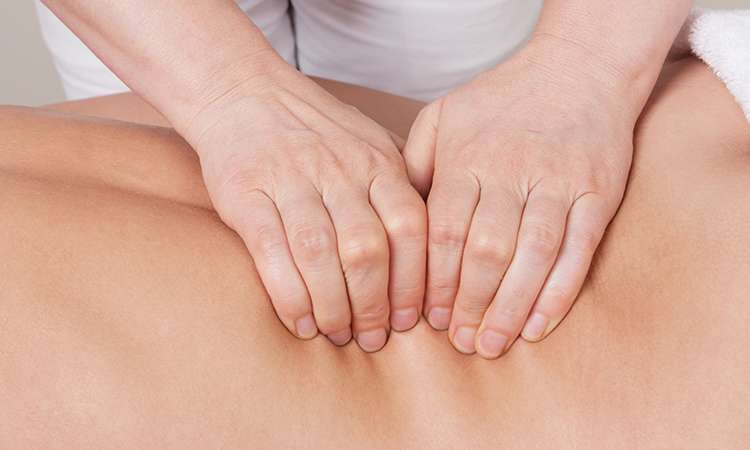
Sports massage helps anyone whose muscles are under repeated strain, whether that strain comes from a marathon, a ten-hour desk day or carrying a toddler. Office workers, parents, shift workers, casual gym-goers, frequent flyers and older adults can all benefit. If your body feels tight, sore or slow to recover, it is worth booking.
At Revives Home Spa, our certified therapists bring sports massage to homes across Dubai and Abu Dhabi. Here is who gains the most from it, and when to choose something else.
Key takeaways
- Sports massage treats overworked muscles, whatever caused the strain.
- Desk workers, parents, shift workers and travellers are common non-athlete clients.
- A 2018 review of 99 studies ranked massage first for easing muscle soreness and fatigue.
- Back pain relief is usually short term, so pair massage with movement.
What is sports massage?
Sports massage is a firm, targeted massage that works on the muscles and joints you use most. It aims to ease tension, improve range of motion and speed up recovery. It borrows from deep tissue work, assisted stretching and trigger point pressure.
A session starts with a short chat about your routine and problem areas. The therapist then warms up the tissue before working into knots and tight bands. Pressure is firm but always adjusted to what you can comfortably handle.
Why sports massage helps more than athletes
Muscles respond to load the same way, whether it is a heavy squat or a heavy school bag. Repetitive movement and fixed postures leave muscles tight and sore.
A 2018 meta-analysis in Frontiers in Physiology pooled 99 studies. It ranked massage as the most effective technique for reducing delayed onset muscle soreness (DOMS) and perceived fatigue. Soreness after moving house is the same DOMS athletes manage.
Back pain is the other big reason people book. According to the World Health Organization, low back pain affected 619 million people in 2020. It is the leading cause of disability worldwide. A Cochrane review found massage eased back pain in the short term with only minor side effects, although the evidence quality was low. So massage works best alongside movement and better posture.
Who else needs sports massage?
The people who gain most load the same muscles daily with no plan for recovery. These six groups make up many of the non-athletes we treat.
Office and remote workers
Hours at a laptop pull the head forward and round the shoulders. The result is a stiff neck, tight chest muscles and an aching lower back. In the UAE, chilly office air can make it worse, as our guide to air conditioning and muscle stiffness explains.
Parents of young children
Lifting, carrying and bending over cots loads one side of the body far more than the other. Many parents feel it in the upper back, wrists and hips. If you are pregnant or recently gave birth, ask about our prenatal and postnatal massage instead.
People who stand or lift at work
Nurses, retail staff, chefs, teachers and cabin crew spend long shifts on their feet. Calves, feet and the lower back take most of the strain. Regular sessions help tired legs feel lighter before the next shift.
Weekend warriors and new gym members
Casual runners, padel players and anyone starting a new fitness plan are prone to soreness, because their muscles are not yet used to the load. Our article on sports massage before or after a workout explains how to time a session.
Frequent travellers
Long-haul flights mean hours in a cramped seat, which stiffens hips, lower back and legs. A session after landing helps restore movement.
Older adults with stiff joints
Muscles lose flexibility with age, which makes everyday tasks harder. Gentler techniques can improve comfort and range of motion. Check with your doctor first if you have osteoporosis, a heart condition or take blood thinners.
Sports massage needs at a glance
This table shows where each group usually holds tension and a sensible starting frequency. Your therapist will adjust the plan as your body responds.
| Who | Common problem areas | Session focus | Suggested starting frequency |
|---|---|---|---|
| Office workers | Neck, shoulders, lower back | Upper back release, chest stretches | Every 2 to 4 weeks |
| Parents | Upper back, wrists, hips | Shoulder and hip work | Every 3 to 4 weeks |
| Standing or lifting jobs | Calves, feet, lower back | Leg and lumbar work | Every 2 to 3 weeks |
| Weekend warriors | Legs, shoulders | Post-workout recovery | After hard sessions |
| Frequent travellers | Hips, lower back, legs | Mobility work | After long flights |
| Older adults | Neck, hips, knees | Gentle pressure, mobility | Every 2 to 4 weeks |
How to prepare for a sports massage at home
Our therapists bring the table, linens and oils, so you only need a quiet space.
- Note where it hurts and when, so your therapist can focus there.
- Drink water before and after the session.
- Speak up about pressure during the massage.
- Take a light walk or stretch gently afterwards.
- Book your next session based on how long the relief lasts.
When sports massage is not the right choice
Most healthy adults can enjoy sports massage safely. Check with a doctor first if you have:
- A fresh injury with swelling, bruising or heat
- A fever or skin infection
- A suspected blood clot, especially after a long flight
- Recent surgery or a fracture
- Unexplained pain, numbness or tingling
Frequently asked questions
Can I get a sports massage if I don’t exercise?
Yes. Sports massage treats muscle tension from any cause, including desk work, childcare and standing jobs. Your therapist focuses on the areas your daily routine overloads, such as the neck, shoulders or lower back, rather than on sport-specific muscle groups.
What is the difference between sports massage and deep tissue massage?
Sports massage targets the specific muscles and joints you use most and often includes stretching. Deep tissue massage applies slow, sustained pressure across larger areas to release chronic tension. Both suit desk-related pain, so your therapist can recommend the better fit.
How long should a sports massage session be?
Most people start with 60 minutes, which covers two or three problem areas well. At Revives, sessions run for 60, 90 or 120 minutes, priced at 249, 349 and 449 AED. Choose a longer session for full-body work.
How often should a non-athlete get a sports massage?
Every two to four weeks is a practical starting point for most non-athletes. People with physically demanding jobs may need sessions more often. Track how long your relief lasts and plan around that.
Is sports massage right for you?
You do not need a race number to benefit from sports massage. If your neck aches after work or your legs feel heavy after a shift, the same techniques that help athletes recover can help you.
Book your sports massage at home
Revives Home Spa offers sports massage at home across Dubai and Abu Dhabi, starting from 249 AED for 60 minutes. Our therapists hold a 4.9 Google rating from 274 reviews. Book online or call +971 56 580 9888 to schedule your session today.