 +971 56-580-9888
 77, M floor - Al Maiyani Street - Abu Dhabi
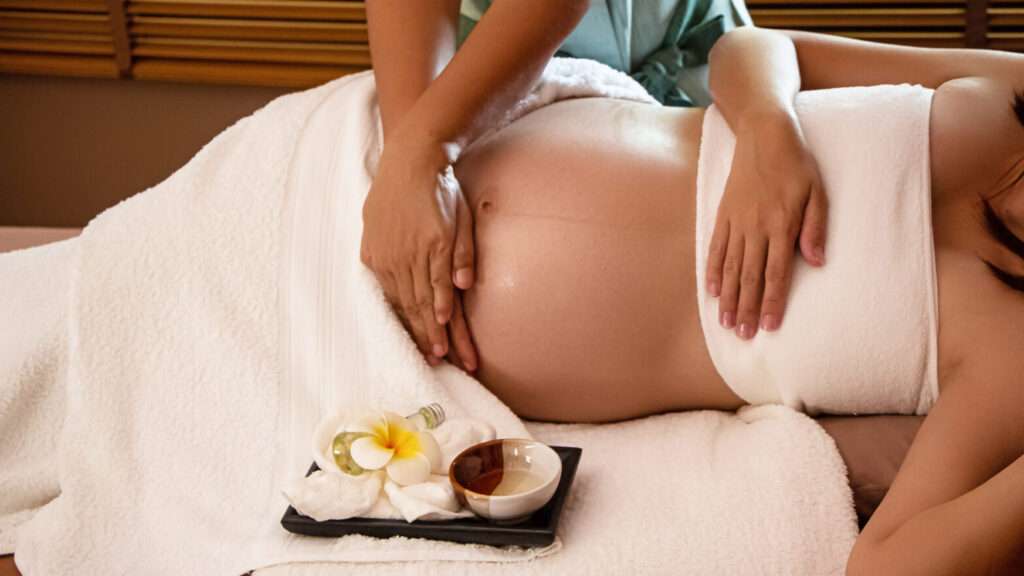
Pregnancy and childbirth are among the most beautiful yet physically demanding phases in a woman’s life. The body goes through significant hormonal, physical, and emotional changes that can cause stress, discomfort, and fatigue. This is where prenatal and postnatal massage therapy plays a powerful role. These specialized massages are designed to support women before and after childbirth, helping them relax, heal, and restore balance.
In this blog, we’ll explore what prenatal and postnatal massage is, their benefits, safety tips, and why every mother deserves this nurturing care.
What Is Prenatal Massage?
Prenatal massage is a gentle, therapeutic massage specifically designed for women during pregnancy. It focuses on relieving the aches, pains, and emotional stress that come with carrying a baby. Unlike regular massage, prenatal massage uses special positioning, pillows, and techniques to ensure comfort and safety for both the mother and baby.
The massage therapist avoids pressure points that could stimulate contractions and focuses on areas like the lower back, hips, legs, neck, and shoulders—where pregnant women feel the most discomfort.
Benefits of Prenatal Massage
Prenatal massage offers many physical and emotional benefits that can make pregnancy more comfortable and enjoyable.
Relieves Back, Hip, and Joint Pain
As the baby grows, the body’s center of gravity shifts, putting pressure on the lower back and hips. Prenatal massage helps relax tense muscles and reduce pain naturally.
Reduces Swelling in Feet and Legs
Many pregnant women experience swelling due to fluid retention. Massage improves circulation and helps reduce edema in the legs, ankles, and feet.
Improves Sleep Quality
Hormonal changes and physical discomfort can make sleep difficult. Massage promotes relaxation and helps mothers sleep more deeply and comfortably.
Reduces Stress and Anxiety
Prenatal massage lowers cortisol (stress hormone) levels and increases serotonin and dopamine, which improves mood and emotional well-being.
Prepares the Body for Labor
By keeping muscles relaxed and improving circulation, prenatal massage helps the body stay flexible and better prepared for childbirth.
Is Prenatal Massage Safe?
Yes, prenatal massage is safe when performed by a certified prenatal massage therapist. However, it is always recommended to consult with your doctor before starting massage therapy, especially if you have:
-
High-risk pregnancy
-
Pre-eclampsia
-
Severe swelling
-
History of preterm labor
Most therapists recommend starting prenatal massage after the first trimester.
What Is Postnatal Massage?
Postnatal massage is designed to help mothers recover after childbirth. The body needs time to heal, and massage therapy can speed up recovery while reducing physical and emotional stress.
After delivery, a woman’s body undergoes dramatic changes as it returns to its pre-pregnancy state. Postnatal massage focuses on restoring muscle tone, balancing hormones, and relieving tension from breastfeeding, carrying, and caring for a newborn.
Benefits of Postnatal Massage
Speeds Up Physical Recovery
Massage helps muscles recover faster, reduces soreness, and improves blood flow, which promotes healing after childbirth.
Reduces Back, Neck, and Shoulder Pain
New mothers often develop pain from breastfeeding, lifting, and carrying their baby. Postnatal massage relieves these strained muscles.
Balances Hormones
Massage helps regulate hormone levels, reducing mood swings, anxiety, and postpartum depression symptoms.
Improves Sleep and Energy Levels
Even short massage sessions can improve sleep quality and restore energy, which is essential for new moms.
Supports Emotional Well-Being
Touch therapy releases oxytocin, also known as the “love hormone,” helping mothers feel calm, connected, and emotionally supported.
When Can You Start Postnatal Massage?
For normal deliveries, postnatal massage can usually begin 5–7 days after childbirth. For C-section deliveries, it’s best to wait 4–6 weeks or until your doctor gives approval.
Always inform your therapist about your delivery type so the massage can be adjusted accordingly.
Prenatal vs Postnatal Massage: What’s the Difference?
| Prenatal Massage | Postnatal Massage |
|---|---|
| Done during pregnancy | Done after childbirth |
| Focuses on relaxation and comfort | Focuses on healing and recovery |
| Avoids deep pressure | Can include deeper techniques |
| Improves circulation and reduces swelling | Helps muscles regain strength |
Both massages are equally important for a mother’s overall well-being.
Why Choose Professional Prenatal & Postnatal Massage?
A trained therapist understands the unique needs of mothers and uses safe, effective techniques tailored to each stage. Professional massage also provides:
-
Proper body positioning
-
Safe pressure levels
-
Customized care
-
Emotional support and relaxation
Choosing a professional ensures both safety and maximum benefits.
How Often Should You Get Massage?
-
Prenatal: Once every 2–3 weeks (weekly in the third trimester)
-
Postnatal: Weekly for the first month, then as needed
Consistency brings the best results.
Tips for a Comfortable Massage Experience
-
Wear loose, comfortable clothing
-
Drink plenty of water before and after massage
-
Communicate any discomfort to your therapist
-
Relax and breathe deeply
-
Rest after the session
Final Thoughts
Prenatal and postnatal massage is more than a luxury—it is a form of essential care for mothers. From easing pregnancy discomfort to supporting postpartum recovery, massage therapy nurtures both the body and mind during one of life’s most important journeys.
If you are expecting or have recently welcomed a baby, consider adding prenatal and postnatal massage to your self-care routine. You deserve to feel supported, relaxed, and healthy every step of the way.