 +971 56-580-9888
 77, M floor - Al Maiyani Street - Abu Dhabi
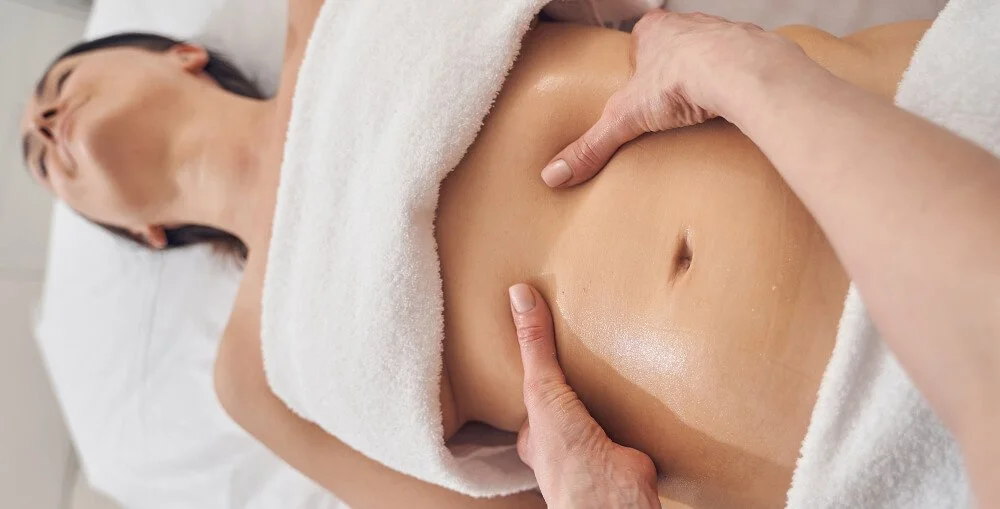
Becoming a mother is one of the most transformative experiences in a woman’s life—but it also places tremendous physical, emotional, and hormonal demands on the body.
After childbirth, whether natural or via C-section, many new mothers experience muscle tension, back pain, fatigue, swelling, hormonal imbalance, and emotional stress. Postnatal massage therapy offers a safe, nurturing, and highly effective way to support healing during this important recovery phase.
In this blog, we will explore the benefits, techniques, timing, safety tips, and frequently asked questions about massage therapy for postpartum healing.
What Is Postnatal Massage?
Postnatal (or postpartum) massage is a specialized therapeutic massage designed for women after childbirth. It focuses on:
-
Reducing body tension
-
Supporting pelvic recovery
-
Improving circulation
-
Balancing hormones
-
Reducing stress and anxiety
-
Encouraging deeper rest and healing
This type of massage can begin as early as a few days after delivery, depending on the mother’s comfort level and medical advice.
Why Post-Birth Healing Matters
During pregnancy, the body undergoes tremendous changes: weight gain, shifting organs, stretched muscles, and loosening joints due to the hormone relaxin. Childbirth itself adds additional stress—especially to the back, pelvis, abdomen, and shoulders.
After birth, moms face new challenges:
-
Breastfeeding posture pain
-
Lack of sleep
-
Hormonal changes
-
Water retention
-
Emotional stress
-
Physical discomfort from delivery
Massage therapy plays a meaningful role in supporting recovery by targeting the body’s most affected areas.
Top Benefits of Postnatal Massage Therapy
1. Relieves Muscle Pain and Tension
Carrying a newborn, constant feeding, and long hours of bending can create intense neck, shoulder, and lower-back pain. Massage improves blood flow, reduces stiffness, and eases muscle knots—allowing new moms to move more comfortably.
2. Supports Hormonal Balance
After childbirth, estrogen and progesterone levels drop dramatically, which can contribute to stress, fatigue, and mood changes. Massage helps:
-
Reduce cortisol (stress hormone)
-
Increase oxytocin (the “love hormone”)
-
Improve serotonin levels
This emotional support is essential for postpartum wellness.
3. Reduces Swelling and Water Retention
Many mothers experience swollen feet, hands, and legs after delivery. Gentle lymphatic massage:
-
Stimulates the lymphatic system
-
Helps reduce fluid retention
-
Encourages natural detoxification
This leads to faster healing and overall comfort.
4. Improves Sleep Quality
New mothers often struggle to sleep due to feeding schedules and body discomfort. Massage promotes relaxation, reduces pain, and helps the body enter a deeper state of rest—making every moment of sleep more restorative.
5. Supports Pelvic Recovery
Whether you delivered vaginally or via C-section, the pelvic area experiences stress during pregnancy and childbirth. Postnatal massage helps:
-
Release pelvic tension
-
Support abdominal muscle healing
-
Reduce lower-back discomfort
-
Improve circulation for faster tissue recovery
6. Helps with C-Section Recovery
Massage can safely support scar recovery after your incision has healed. Specialized techniques can:
-
Improve scar flexibility
-
Reduce numbness or tightness
-
Enhance circulation around the area
-
Prevent adhesions
Always consult your doctor before beginning abdominal massage after a C-section.
7. Emotional and Mental Wellness Support
Postpartum can be overwhelming. Massage provides a calm, nurturing space that encourages emotional release and mental clarity. Many moms find it helps reduce:
-
Anxiety
-
Postpartum tension
-
Emotional fatigue
-
Overwhelm
A relaxed mother is better able to care for her newborn.
When Can You Start Postnatal Massage?
Vaginal Delivery:
Most women can begin within a few days to a week, depending on comfort.
C-Section Delivery:
Massage can begin after your incision is fully healed—usually 4–6 weeks postpartum. Always follow your doctor’s guidance.
If you are unsure, consult your healthcare provider before starting.
Popular Postnatal Massage Techniques
1. Swedish Massage
Light, flowing strokes that promote relaxation, blood flow, and stress relief.
2. Deep Tissue Massage
Targets deeper muscle layers—especially beneficial for shoulder, neck, and back pain from breastfeeding or carrying the baby.
3. Lymphatic Drainage
A gentle technique that reduces swelling, detoxifies the body, and supports immune health.
4. Abdominal Massage (When Safe)
Helps strengthen and restore core muscles after childbirth.
5. Pelvic Floor Release
Supports pelvic recovery, mobility, and comfort.
How Often Should You Get Postnatal Massage?
For best results:
-
First month: Once a week
-
Months 2–3: Every 2 weeks
-
After 3 months: Monthly maintenance massage
However, every mother’s needs are unique—your therapist can personalize the frequency.
Safety Tips for Postnatal Massage
-
Drink water before and after the session
-
Avoid deep pressure immediately after delivery
-
Inform your therapist of any pain, stitches, or sensitive areas
-
Consult your doctor before starting abdominal or C-section scar massage
A trained prenatal/postnatal massage therapist will tailor the session to your comfort and health.
Frequently Asked Questions
Is postnatal massage safe while breastfeeding?
Yes—massage may even increase milk flow by reducing stress and improving circulation.
Can massage help with postpartum depression or anxiety?
Massage cannot replace medical treatment, but it supports emotional wellness and reduces stress hormones.
Is deep tissue massage safe after childbirth?
Yes, once your body has stabilized. Lighter pressure is recommended early on.
Conclusion: A Healing Pathway for New Mothers
Postnatal massage therapy is more than relaxation—it’s a vital part of the healing journey after childbirth. From reducing muscle pain and swelling to balancing hormones and supporting emotional wellness, massage provides nurturing and therapeutic benefits that help mothers recover, recharge, and thrive during the postpartum period.
Whether you’re a new mom or months into motherhood, postnatal massage offers the comfort and recovery your body truly deserves.