 +971 56-580-9888
 77, M floor - Al Maiyani Street - Abu Dhabi
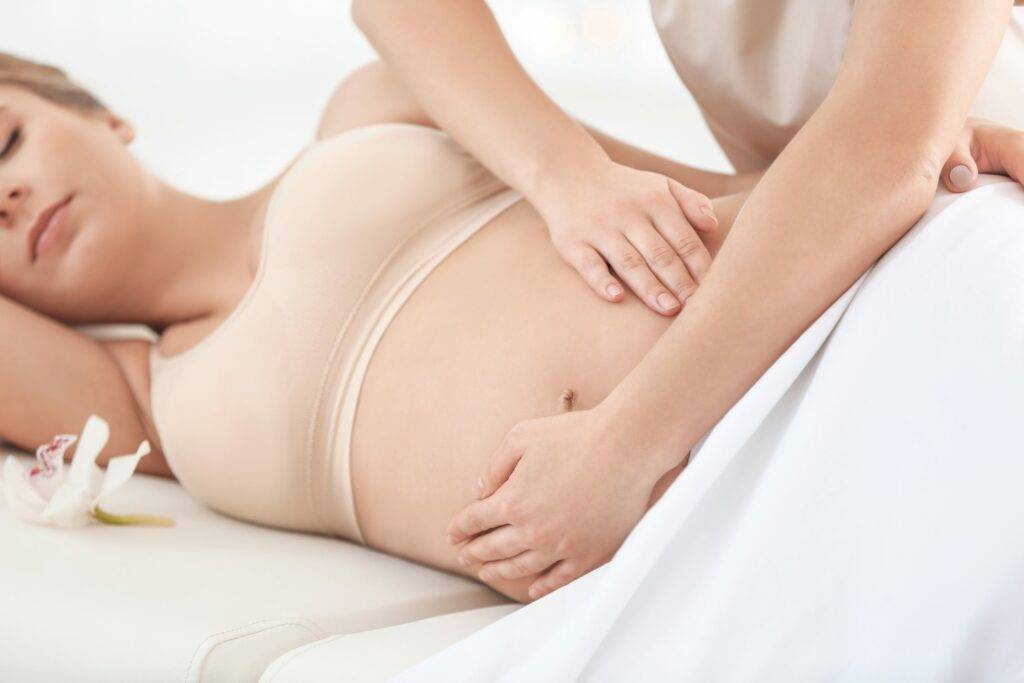
Pregnancy is a beautiful and transformative journey, but it often comes with physical discomforts that can affect a mother’s daily life. As the body changes to support the growing baby, many women experience back pain, swollen legs, sore hips, neck stiffness, and overall fatigue. Prenatal massage offers a safe, natural, and effective way to ease these pregnancy-related aches while promoting relaxation and emotional well-being.
Unlike general massage, prenatal massage is specifically designed to support the unique needs of expectant mothers. When performed by a trained professional, it provides gentle relief, improves circulation, and helps the body adapt more comfortably to the changes of pregnancy.
Understanding Pregnancy-Related Aches and Pains
During pregnancy, a woman’s body undergoes significant physical and hormonal changes. As the baby grows, weight distribution shifts, posture changes, and muscles work harder to provide support. Hormonal changes also cause ligaments to loosen, which can lead to joint instability and discomfort.
Common pregnancy aches include lower back pain, hip and pelvic discomfort, leg cramps, sciatica, shoulder tension, and swelling in the feet and ankles. These discomforts can intensify as pregnancy progresses, particularly in the second and third trimesters. Prenatal massage helps address these issues naturally without the use of medication.
What Is Prenatal Massage?
Prenatal massage is a specialized form of massage therapy tailored specifically for pregnant women. It focuses on gentle techniques that prioritize comfort, safety, and relaxation. Therapists use modified positions, such as side-lying or semi-reclined postures, to ensure both mother and baby are supported throughout the session.
The pressure used in prenatal massage is lighter than traditional massage, with careful attention to sensitive areas. The goal is not only pain relief but also overall relaxation and emotional balance during pregnancy.
How Prenatal Massage Helps Ease Pregnancy Aches
One of the primary benefits of prenatal massage is its ability to relieve muscle tension caused by physical strain and postural changes. Gentle massage techniques help relax tight muscles, particularly in the lower back, hips, neck, and shoulders.
Improved circulation is another key benefit. Prenatal massage increases blood flow, delivering oxygen and nutrients to muscles while helping remove metabolic waste. This enhanced circulation can significantly reduce swelling in the legs, ankles, and feet, which is common during pregnancy.
Massage also stimulates the lymphatic system, supporting natural detoxification and reducing fluid retention. As a result, many expectant mothers feel lighter, more comfortable, and less fatigued after a session.
Prenatal Massage and Pain Relief
Prenatal massage is particularly effective for managing common pregnancy-related pain conditions. Lower back pain, one of the most frequent complaints among pregnant women, is often caused by spinal misalignment and muscle strain. Massage helps ease pressure on the spine and relax surrounding muscles.
Hip and pelvic pain, including discomfort caused by sciatica, can also be relieved through gentle massage techniques that target the surrounding muscles. By releasing tension and improving mobility, prenatal massage helps reduce nerve pressure and improve overall comfort.
Leg cramps and muscle spasms, which often occur at night, may be reduced through regular prenatal massage. Improved circulation and muscle relaxation play a key role in minimizing these painful episodes.
Reducing Stress and Improving Emotional Well-Being
Pregnancy is not only physically demanding but also emotionally intense. Hormonal fluctuations, lifestyle changes, and anticipation of childbirth can lead to stress, anxiety, and mood changes. Prenatal massage promotes deep relaxation by calming the nervous system and lowering stress hormones such as cortisol.
Many expectant mothers report improved mood, reduced anxiety, and better emotional balance after prenatal massage sessions. This emotional well-being is beneficial not only for the mother but also for the developing baby, as reduced stress supports a healthier pregnancy overall.
Better Sleep Through Prenatal Massage
Sleep disturbances are common during pregnancy, especially as discomfort increases and finding a comfortable sleeping position becomes more difficult. Prenatal massage helps improve sleep quality by relaxing muscles, reducing pain, and calming the mind.
Regular massage sessions can make it easier to fall asleep and stay asleep, allowing expectant mothers to feel more rested and energized during the day. Improved sleep also supports immune function and overall health during pregnancy.
Is Prenatal Massage Safe?
When performed by a qualified and experienced therapist, prenatal massage is considered safe for most pregnant women, particularly after the first trimester. Therapists are trained to avoid pressure points and techniques that may be unsafe during pregnancy.
It is always recommended that expectant mothers consult their healthcare provider before starting prenatal massage, especially if they have high-risk conditions such as preeclampsia, gestational diabetes, or a history of pregnancy complications.
What to Expect During a Prenatal Massage Session
A typical prenatal massage session lasts between 45 and 75 minutes. Before the session begins, the therapist will discuss your pregnancy stage, health history, and areas of discomfort. Specialized pillows or bolsters are used to support the body and ensure comfort.
During the massage, gentle strokes and soothing techniques are applied to relieve tension and promote relaxation. Communication with the therapist is encouraged to ensure pressure levels remain comfortable throughout the session.
How Often Should You Get Prenatal Massage?
The frequency of prenatal massage depends on individual needs and comfort levels. Many women benefit from sessions every two to four weeks during early pregnancy and more frequent sessions during the later stages as physical demands increase.
Regular prenatal massage can help maintain comfort, reduce cumulative tension, and support overall well-being throughout pregnancy.
Final Thoughts
Prenatal massage is a natural and effective way to ease pregnancy aches while nurturing both body and mind. By relieving muscle tension, improving circulation, reducing stress, and promoting better sleep, it supports a healthier and more comfortable pregnancy journey.