 +971 56-580-9888
 77, M floor - Al Maiyani Street - Abu Dhabi
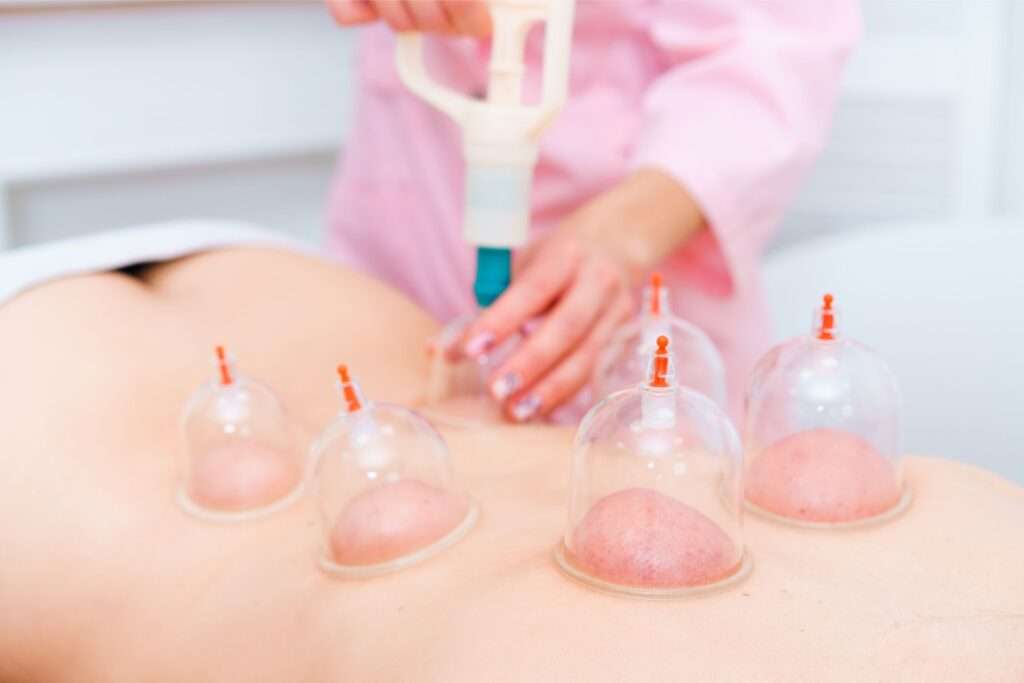
Cupping therapy has become one of the most popular holistic treatments in recent years, especially among athletes, wellness lovers, and people looking for natural pain relief. While the round, bruise-like marks are instantly recognizable, many people don’t realize that there are several different types of cupping — each offering unique benefits and techniques.
The three most widely used forms today are dry cupping, wet cupping, and fire cupping. Understanding how each method works can help you choose the best approach for your needs, whether your goal is muscle relaxation, detoxification, stress relief, or improved circulation.
This blog explores all three types in detail so you can make an informed decision before booking your next cupping session.
What Is Cupping Therapy?
Cupping is an ancient healing practice used in Chinese, Middle Eastern, and Eastern medicine for thousands of years. The method uses suction cups placed on the skin to create negative pressure. This suction lifts the skin and underlying tissues, promoting increased blood flow, releasing muscle tension, and stimulating the body’s natural healing processes.
Today, cupping has become mainstream — thanks in part to professional athletes, physiotherapists, and wellness clinics who incorporate it into their treatment plans.
Why Different Types of Cupping Exist
While all forms of cupping share the same goal — improving circulation and relieving tension — the techniques vary depending on:
-
Intensity of suction
-
Treatment purpose
-
Cultural tradition
-
The client’s health and comfort level
Some techniques are more modern and gentle, while others are deeply rooted in traditional therapies.
Now let’s explore each type.
Dry Cupping: The Most Common Modern Method
Dry cupping is the most widely practiced type of cupping today. It uses suction without any incisions or bleeding, making it a safe and comfortable choice for most people.
How Dry Cupping Works
A therapist places cups — usually made of silicone, plastic, or glass — onto the skin. A pump or manual suction removes the air inside the cup, creating a vacuum that pulls the skin upward.
The cups can stay in place for 5–15 minutes or be glided along the skin in a massage-like technique known as “moving cupping.”
Benefits of Dry Cupping
Dry cupping is popular because it is effective yet gentle. Benefits include:
-
Reduced muscle tension
-
Improved blood circulation
-
Relief from back and neck pain
-
Reduction in inflammation
-
Faster muscle recovery
-
Relaxation and stress relief
Many people use dry cupping as part of their regular wellness routine or post-workout recovery.
Who Is Dry Cupping Best For?
Dry cupping is ideal for:
-
Athletes
-
Office workers with chronic stiffness
-
People experiencing stress
-
Those wanting circulatory improvements
-
Individuals new to cupping therapy
It’s non-invasive, making it a perfect starting point for first-time clients.
Wet Cupping: Traditional and More Intensive
Wet cupping, also known as hijama, is a more traditional method commonly used in Middle Eastern and South Asian cultures. It involves mild, controlled skin incisions to release small amounts of blood after suction.
How Wet Cupping Works
Wet cupping is typically performed in two stages:
-
Dry suction: Cups are applied with suction for several minutes.
-
Skin incisions: Small, superficial cuts are made.
-
Second suction: Cups are reapplied to draw out a small amount of blood.
This technique is believed to remove “stagnant” blood and toxins from the body, promoting healing and energy flow.
Benefits of Wet Cupping
Many people seek wet cupping for its deeper detoxification effects. Reported benefits include:
-
Relief from chronic pain
-
Reduced inflammation
-
Better blood circulation
-
Improved energy levels
-
Detoxification
-
Immune system support
Some clients report fast relief from migraines, muscle spasms, or sinus congestion after wet cupping.
Who Is Wet Cupping Best For?
Wet cupping is suitable for:
-
Individuals familiar with traditional medicine
-
People with chronic pain or inflammation
-
Clients looking for deep detoxification
Because it involves breaking the skin, wet cupping should only be performed by trained practitioners using sterile techniques.
Fire Cupping: The Traditional Heat-Based Method
Fire cupping is one of the oldest and most dramatic-looking forms of cupping. It uses heat to create suction instead of pumps or manual pressure.
How Fire Cupping Works
In fire cupping, the therapist briefly places a flame inside a glass cup to heat the air. When the flame is removed and the cup is placed on the skin, the cooling air creates a vacuum that draws the skin upward.
No fire touches the client — it’s only used to generate suction.
Benefits of Fire Cupping
Fire cupping offers many of the same benefits as dry cupping but often with stronger suction and deeper penetration. Benefits include:
-
Enhanced muscle relaxation
-
Improved blood circulation
-
Relief for deep-seated tension
-
Better oxygen flow to tissues
-
Stress reduction
Many people find fire cupping deeply therapeutic and relaxing due to the warmth created by the cups.
Who Is Fire Cupping Best For?
Fire cupping is ideal for clients who:
-
Prefer a stronger suction technique
-
Want deeper muscle relief
-
Enjoy heat therapies like sauna or hot stone massage
-
Need help with tight, stubborn muscles
This method requires an experienced practitioner to ensure safety and precision.
Which Type of Cupping Should You Choose?
Choosing the right cupping method depends on your personal wellness goals.
Choose Dry Cupping if you want:
-
General tension relief
-
A gentle experience
-
Better circulation
-
A beginner-friendly treatment
Choose Wet Cupping if you want:
-
Deep detoxification
-
Traditional healing therapy
-
Relief from chronic inflammation
Choose Fire Cupping if you want:
-
Stronger suction
-
Deeper muscle release
-
A more therapeutic heat-based treatment
Are the Marks from Cupping Normal?
Yes — the circular marks cupping leaves behind are common and usually harmless. They are not bruises but signs of increased blood flow. They typically fade within 3–7 days.
Safety and Precautions
Cupping is generally safe, but it may not be suitable for people who are:
-
Pregnant (depending on placement)
-
On blood-thinning medications
-
Experiencing skin infections
-
Diagnosed with bleeding disorders
Always consult a trained practitioner before treatment.
Final Thoughts
Dry, wet, and fire cupping all offer powerful benefits, each with unique techniques and healing effects. Whether you’re seeking pain relief, stress reduction, improved recovery, or better circulation, cupping can be a transformative addition to your wellness routine.
By understanding the different types, you can choose the method that best fits your health needs and comfort level — and experience the incredible healing power this ancient therapy still provides today.