 +971 56-580-9888
 77, M floor - Al Maiyani Street - Abu Dhabi
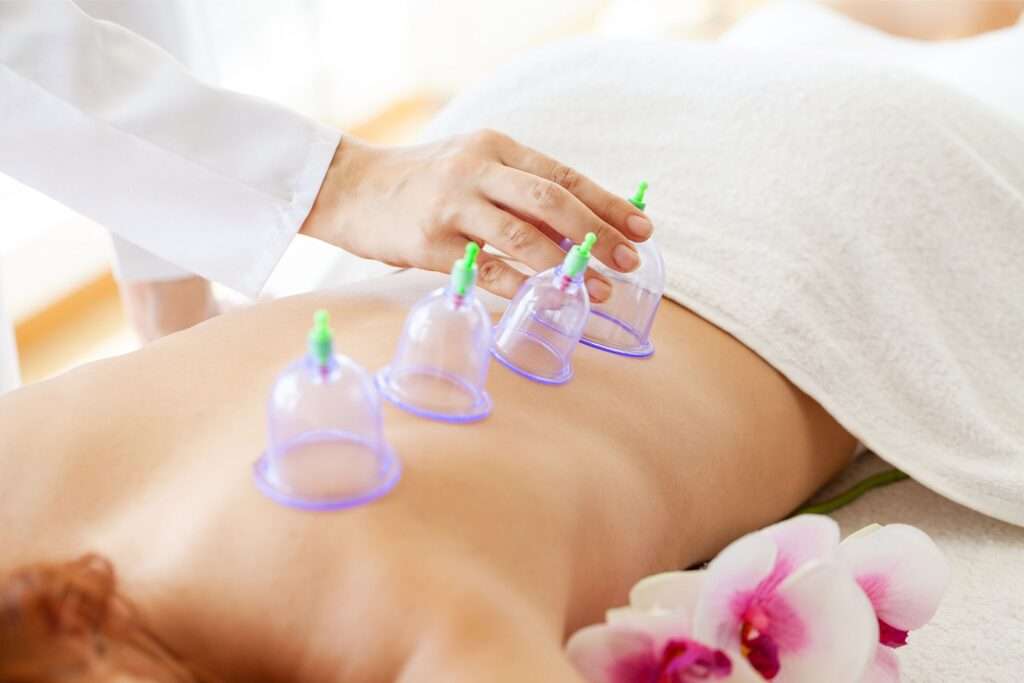
Cupping therapy is one of the oldest healing practices in the world, known for its ability to relieve pain, improve circulation, and support the body’s natural detoxification processes. Today, it has become increasingly popular among athletes, wellness enthusiasts, and individuals seeking natural therapeutic treatments.
Two of the most widely used methods are dry cupping and wet cupping. Although both techniques use suction to stimulate healing, they differ significantly in approach and intended benefits.
This detailed guide explains dry cupping vs wet cupping, their differences, benefits, techniques, safety, and how to decide which one is right for you.
Understanding Cupping Therapy
What Is Cupping?
Cupping therapy uses cups made of glass, silicone, bamboo, or plastic to create suction on the skin. This suction lifts the tissue, increases blood circulation, and promotes healing. Cupping is often used for muscle tension, pain relief, inflammation, stress, and detoxification.
Traditional Roots
Cupping has roots in:
-
Traditional Chinese Medicine
-
Middle Eastern therapies (Hijama)
-
Ancient Egyptian healing
Both dry and wet cupping evolved from these traditional systems.
Dry Cupping: What It Is and How It Works
Definition
Dry cupping is a non-invasive technique in which cups are placed on the skin to create suction. There is no cutting or bloodletting.
How Dry Cupping Works
-
Cups are placed on targeted areas.
-
Suction is created manually or with a pump.
-
The skin and underlying tissue are gently lifted.
-
Blood flow increases to the area.
-
Cups are removed after several minutes.
What Dry Cupping Is Used For
Dry cupping is commonly used for:
-
Back and neck pain
-
Tight muscles
-
Poor circulation
-
Muscle stiffness
-
Stress and tension
-
Headaches
-
Athletic recovery
Benefits of Dry Cupping
-
Non-invasive and safe
-
Immediate relief from muscle tension
-
Promotes blood flow and healing
-
Encourages lymphatic drainage
-
Reduces stress and fatigue
-
Suitable for beginners
Dry cupping typically leaves circular marks that fade within a few days.
Wet Cupping (Hijama): What It Is and How It Works
Definition
Wet cupping, also known as Hijama, is a minimally invasive form of cupping that combines suction with controlled bloodletting.
How Wet Cupping Works
-
Cups are placed on the skin to create initial suction.
-
Cups are removed and the skin is lightly pricked using a sterile blade.
-
Cups are applied again to draw out small amounts of blood.
-
The process is repeated for 5–10 minutes.
What Wet Cupping Is Used For
Wet cupping is often used for:
-
Chronic pain
-
Migraines
-
Inflammation
-
Arthritis
-
Blood stagnation
-
Immune system support
-
Detoxification
Benefits of Wet Cupping
-
Removes stagnant blood
-
Believed to eliminate toxins
-
Reduces chronic pain
-
Helps with inflammation
-
May improve hormonal balance
-
Offers deeper therapeutic relief
Wet cupping requires a trained and licensed practitioner due to its invasive nature.
Dry Cupping vs Wet Cupping: Key Differences
Comparison Overview
While both forms of cupping offer therapeutic benefits, they differ in technique, invasiveness, and purpose.
Technical Differences
-
Dry Cupping: Uses suction only, no incisions.
-
Wet Cupping: Uses suction followed by controlled bloodletting.
Purpose-Based Differences
-
Dry Cupping: Best for muscle relaxation, stress relief, and circulation.
-
Wet Cupping: Best for detoxification, inflammation, and chronic conditions.
Safety Considerations
-
Dry cupping is very safe and suitable for most people.
-
Wet cupping requires strict hygiene, sterile tools, and professional training.
Recovery Time
-
Dry cupping has no downtime.
-
Wet cupping may require 24–48 hours of aftercare.
Which One Is Better: Dry Cupping or Wet Cupping?
When Dry Cupping Is the Better Choice
Dry cupping is ideal for:
-
First-time cupping clients
-
Muscle pain and tension
-
Office workers with neck and back stiffness
-
Athletes needing recovery
-
People wanting a non-invasive treatment
When Wet Cupping Is the Better Choice
Wet cupping is preferred for:
-
Chronic or severe pain
-
Detoxification needs
-
Migraine sufferers
-
Individuals with inflammation-related conditions
-
People who follow traditional healing systems like Hijama
How to Decide
Your choice depends on:
-
Your symptoms
-
Your comfort level
-
Whether you prefer non-invasive or deeper therapeutic methods
-
Recommendations from a trained practitioner
Safety and Side Effects
Dry Cupping Safety
-
Generally safe for all adults
-
Temporary marks may appear
-
No bleeding or wounds
-
Minimal discomfort
Wet Cupping Safety
-
Must be performed with sterile equipment
-
Light bleeding may occur
-
Minor soreness is normal
-
Not recommended for individuals with blood disorders
Aftercare for Cupping Therapy
General Care Tips
-
Stay hydrated to support detoxification
-
Avoid hot baths and saunas for 24 hours
-
Keep treated areas clean
-
Avoid intense physical activity for one day
-
Use soothing creams like aloe vera if the skin feels warm
Final Thoughts
Choosing between dry cupping vs wet cupping depends on your health goals and comfort level. Dry cupping is excellent for muscle tension, circulation, and stress relief, while wet cupping is more suitable for chronic pain and detoxification. Both methods are effective when performed by trained practitioners.
Cupping remains a powerful natural therapy with deep historical roots and modern therapeutic benefits. Whether you are seeking relief from pain, improved circulation, or overall wellness, understanding both techniques will help you choose the right treatment for your body.