 +971 56-580-9888
 77, M floor - Al Maiyani Street - Abu Dhabi
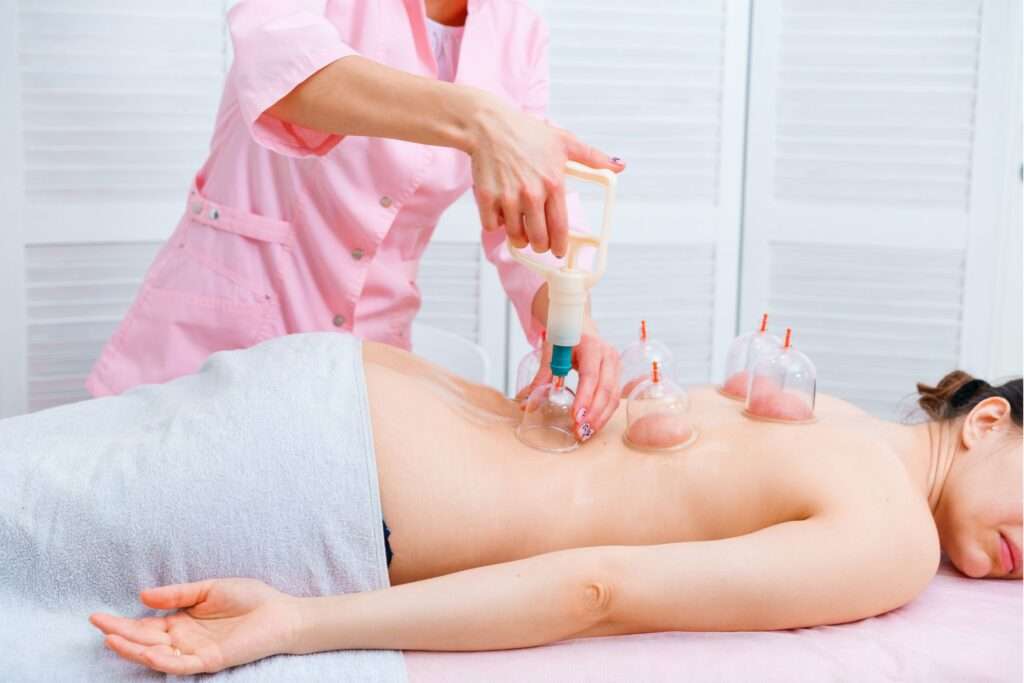
Understanding Cupping Therapy
Cupping therapy is an ancient healing technique used in traditional medicine across many cultures. It involves placing specialized cups on the skin to create suction, which increases blood flow, relieves muscle tension, and promotes natural healing.
In recent years, cupping therapy has gained recognition as an effective treatment for headaches and migraines, offering a natural alternative to medication.
How Cupping Helps With Headache Relief
Headaches are often caused by muscle tension in the neck, shoulders, and upper back. When muscles tighten, blood flow decreases, leading to pain, pressure, and discomfort. Cupping therapy helps by:
-
Improving circulation
-
Releasing tight fascia and muscles
-
Reducing inflammation
-
Encouraging relaxation
-
Decreasing nerve and pressure sensitivity
By addressing these common triggers, cupping can significantly reduce both the frequency and intensity of headaches.
Cupping Therapy for Migraines
Migraines involve more complex neurological pathways and can be triggered by hormonal changes, stress, poor sleep, or tension. Cupping therapy can support migraine relief through:
1. Increased Blood Flow
The suction effect draws fresh, oxygen-rich blood to the treated area, helping reduce vascular stress often associated with migraines.
2. Muscle and Fascia Release
Tight muscles around the neck, jaw, and shoulders contribute to migraine intensity. Cupping relaxes these areas, lowering structural tension.
3. Stress and Anxiety Reduction
Stress is one of the most common migraine triggers. Cupping activates the parasympathetic nervous system, promoting deep relaxation.
4. Detoxification and Lymphatic Drainage
Migraines can become worse when toxins accumulate or lymphatic flow slows down. Cupping supports detox and helps flush stagnant fluid from the tissues.
Types of Cupping Used for Headaches and Migraines
Dry Cupping
Cups are placed on tight muscles to relieve tension and improve circulation.
Gliding (Moving) Cupping
Oil is applied to the skin and cups are moved gently across the muscles—excellent for full-area relaxation.
Flash Cupping
Quick suction-and-release technique that stimulates blood flow without long suction times.
Your therapist may combine these methods based on your symptoms and sensitivity.
Who Benefits Most from Cupping Therapy?
Cupping therapy is ideal for people who experience:
-
Tension headaches
-
Stress-related headaches
-
Migraine attacks
-
Neck and shoulder tightness
-
Jaw tension and TMJ discomfort
-
Eye strain or digital device fatigue
It is especially effective for people who prefer natural, non-medicinal relief.
What to Expect During a Session
A typical session lasts 20–40 minutes. The therapist places cups on targeted areas like:
-
Neck
-
Shoulders
-
Upper back
-
Trapezius muscles
-
Jawline (optional)
You may feel gentle suction and warmth. Temporary marks may appear but usually fade within a few days.
Safety and Precautions
Cupping is generally safe, but people with the following conditions should consult a healthcare provider first:
-
Skin infections
-
Bleeding disorders
-
Pregnancy (upper back cupping only)
-
Severe migraines with neurological symptoms
Always choose a trained and certified therapist for the safest experience.
Conclusion
Cupping therapy is a natural, effective, and science-supported treatment for headaches and migraines. By improving blood flow, relieving muscle tension, and reducing stress, it offers real relief without relying on medication. Many individuals experience fewer headaches and reduced migraine intensity after regular cupping sessions.
If headaches or migraines disrupt your daily life, cupping therapy may be a powerful solution to restore comfort and balance.