 +971 56-580-9888
 77, M floor - Al Maiyani Street - Abu Dhabi
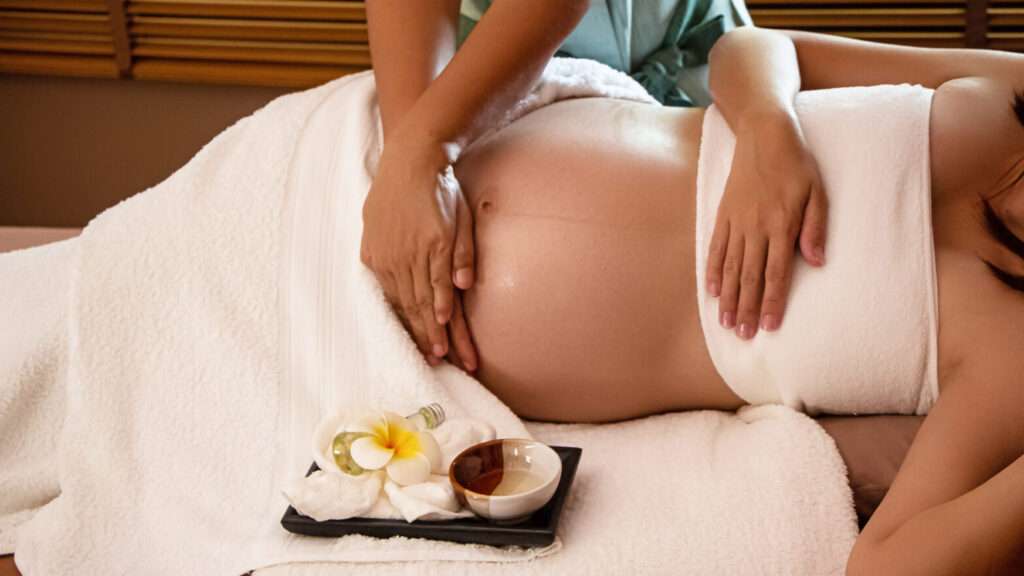
Recovering from a C-section is a slower, more physical process than many new mothers expect. Between the incision itself, the abdominal muscles that were cut through, and the general exhaustion of caring for a newborn, the body is doing a lot of quiet work in those first weeks. Postnatal massage is often mentioned as something that can help, but it’s worth understanding exactly what it does and doesn’t do, and when it’s actually safe to start.
To be clear from the outset, massage supports comfort and recovery, but it doesn’t replace medical care, and it should never begin without your doctor’s confirmation that you’re ready for it.
Why C-section recovery takes the time it does
A C-section is major abdominal surgery, and the body needs to heal several layers of tissue, not just the visible incision. Swelling, tightness through the hips and lower back from weeks of altered posture, and general fatigue are all common in the weeks that follow.
Many new mothers also carry tension in the shoulders and neck from feeding and holding their baby for long stretches, which compounds the discomfort already coming from the surgical site.
What postnatal massage can genuinely help with
Once you have medical clearance, a gentle postnatal massage session focuses on the areas around, not on, the incision. This can support circulation, ease muscle tension in the back, hips, and shoulders, and help with the fluid retention that often lingers after birth. As explained on the Pre and Post-Natal page at Revives Home Spa, therapists adapt their techniques to the specific stage of pregnancy or postpartum recovery a client is in, which matters even more after a surgical birth.
Better circulation and reduced muscle tension can make a real difference to how a new mother feels day to day, supporting more comfortable movement and, indirectly, better sleep. It’s worth being precise here: massage supports the body’s own healing process rather than accelerating tissue repair at the incision site itself.
When it’s actually safe to start
This is the part that matters most. Most doctors recommend waiting until the incision has fully closed and any swelling has settled before booking a massage, which is often around six weeks postpartum, though this varies by individual and by how the recovery is progressing.
Some practitioners suggest that light massage on areas away from the abdomen can begin earlier once cleared, but the incision area itself needs to be handled with far more caution, and only once a doctor has confirmed it’s healed well.
If you had any complications during delivery or recovery, always check with your doctor first rather than assuming a standard timeline applies to you.
What a session actually involves
A postnatal massage after a C-section is gentler than a typical deep tissue session, and communication with the therapist matters. Areas near the incision are avoided or treated with very light pressure, while the back, shoulders, hips, and legs can usually take more focused attention. Positioning is also adjusted, since lying flat on the stomach isn’t comfortable or advisable for most women in the weeks after surgery.
Lymphatic support alongside massage
Swelling in the legs, feet, and lower abdomen is common after any birth, and some new mothers find that combining postnatal massage with a session focused on fluid movement helps more than either approach alone.
A Lymphatic Drainage Massage uses much lighter pressure than a standard massage and is specifically designed to support the body’s own drainage system, which can be a useful complement during the weeks when swelling is still settling.
Why home sessions can matter more than usual
New mothers already have a long list of reasons not to leave the house in the early weeks. A therapist coming to you removes one more obstacle, and it also means you’re recovering in a familiar, private space rather than adjusting to an unfamiliar clinic environment while still healing.
This is one of the more practical reasons postnatal massage at home has become popular in Dubai and Abu Dhabi specifically.
What to tell your therapist before booking
Be upfront about your delivery date, how the incision is healing, any ongoing pain, and whether your doctor has given clearance. A good therapist will ask these questions anyway, but coming prepared with clear answers helps them plan a session that’s actually appropriate for where you are in recovery, rather than a generic postnatal massage that doesn’t account for your specific situation.
Frequently asked questions
How soon after a C-section can I get a massage?
Most doctors recommend waiting until the incision has fully closed, often around six weeks, but this varies by individual and should be confirmed with your own doctor first.
Can massage help my C-section scar heal?
Massage supports circulation and comfort around the area but should never involve direct pressure on the incision until it’s fully healed and your doctor has confirmed it’s safe.
Is postnatal massage safe if I had complications during my C-section?
If you experienced any complications, speak with your doctor before booking, since standard recovery timelines may not apply to your situation.
What’s the difference between postnatal massage and lymphatic drainage after a C-section?
Postnatal massage focuses on general muscle tension and comfort, while lymphatic drainage uses lighter pressure specifically to support fluid movement and reduce swelling.
Can I get a postnatal massage at home in Dubai or Abu Dhabi?
Yes, Revives Home Spa provides pre and post-natal massage sessions at home across both cities, bringing all the equipment needed directly to you.
Ready to book once you’re cleared?
If your doctor has confirmed you’re ready, book a Pre and Post-Natal massage with Revives Home Spa and recover in the comfort of your own home.