 +971 56-580-9888
 77, M floor - Al Maiyani Street - Abu Dhabi
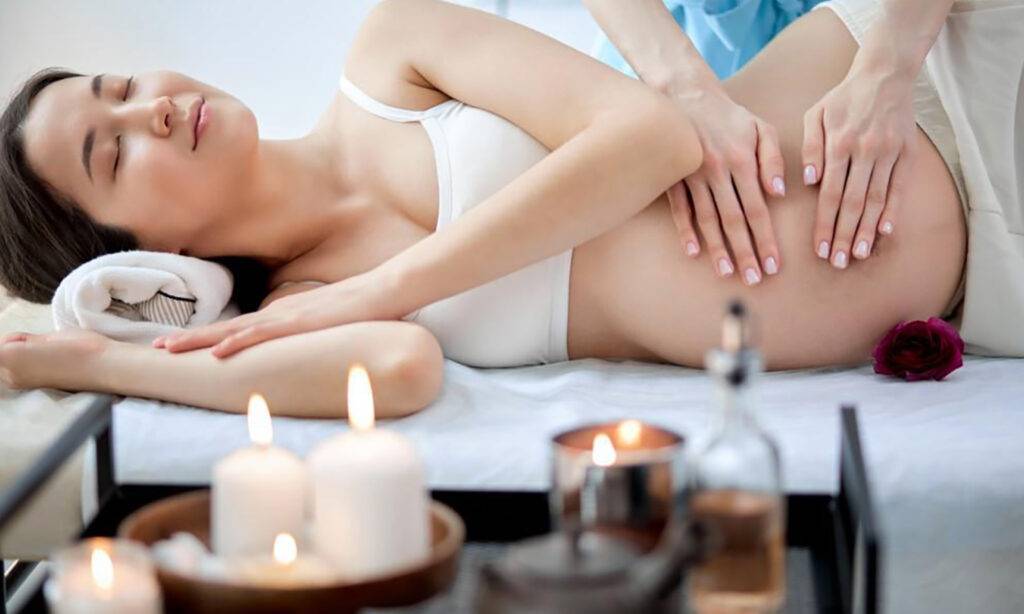
In this blog post we will discuss the safe massage techniques for each trimester and how they can help you feel your best throughout your journey.
Pregnancy is a time of immense change—physically, emotionally, and mentally. As your body adapts to support new life, you may experience muscle tension, fatigue, swelling, and back pain.
That’s why pregnancy massage has become such a popular way for expectant mothers to relax and find relief naturally.
However, the right technique depends on where you are in your pregnancy. Each trimester requires a unique approach to ensure comfort and safety for both mom and baby.
Here’s a guide to the safe massage techniques for each trimester and how they can help you feel your best throughout your journey.
First Trimester (Weeks 1–12): Gentle and Grounding
The first trimester is the most delicate stage of pregnancy. Your body is adjusting to hormonal changes, and fatigue or morning sickness are common.
Some therapists prefer to wait until the second trimester before offering massage, but if you do receive one early, the focus should be on gentle relaxation rather than deep tissue work.
Safe techniques include:
- Light effleurage strokes: Gentle, gliding movements that promote relaxation and circulation.
- Neck and shoulder massage: Relieves early tension and stress.
- Foot and hand massage: Soothing but with no deep pressure on reflexology points.
✅ Avoid: Deep abdominal pressure, intense kneading, or acupressure points like SP6 (inner ankle) and LI4 (hand), which can stimulate uterine activity.
Second Trimester (Weeks 13–27): Relief and Realignment
This is when many mothers feel more comfortable and energetic. As the belly grows, posture changes, and the lower back begins to bear extra weight.
Massage during this stage focuses on relieving muscular strain and improving circulation.
Safe techniques include:
- Side-lying massage with pillows: Keeps pressure off the abdomen while supporting the spine and hips.
- Kneading and gentle compression on the back and legs: Eases tension and boosts blood flow.
- Lymphatic drainage movements: Help reduce swelling in the feet and ankles.
✅ Key tip: Always avoid lying flat on your back for long periods—it can compress the vena cava and restrict blood flow.
Third Trimester (Weeks 28–40): Comfort and Preparation
In the final stretch, your body feels heavier, and issues like hip pain, swollen ankles, and fatigue become more pronounced.
Massage at this stage should focus on comfort, circulation, and relaxation to prepare for labor and delivery.
Safe techniques include:
- Gentle lower back and hip massage: Relieves pain caused by extra weight and pressure.
- Soft, rhythmic leg strokes: Help reduce edema and improve blood flow.
- Upper body massage: Eases shoulder and neck tension from poor posture and stress.
- Light scalp and facial massage: Calms the nervous system and improves sleep quality.
✅ Avoid: Deep pressure on the abdomen or shoulder points (GB21), and any movement that causes discomfort or dizziness.
Final Thoughts
Pregnancy massage is more than a luxury—it’s a therapeutic way to support your body and mind during one of life’s most transformative experiences.
When performed by a certified prenatal massage therapist, it can help reduce pain, improve circulation, and provide much-needed relaxation through every trimester.
The key is to adapt the techniques to your body’s changing needs—gentle in the first trimester, supportive in the second, and deeply calming in the third.
When done safely, pregnancy massage can help you enjoy a smoother, more comfortable pregnancy and prepare your body for a healthy delivery.