 +971 56-580-9888
 77, M floor - Al Maiyani Street - Abu Dhabi
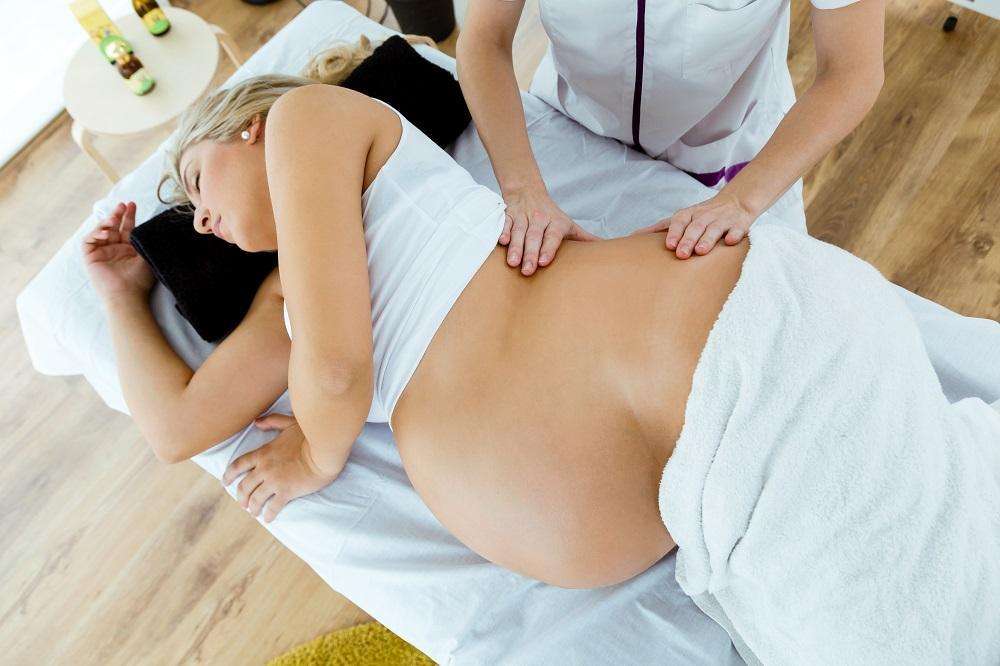
When you’re expecting, every little ache, swelling, or restless night can feel magnified. Pregnancy massage (also called prenatal massage) is one of the gentler, natural ways to relieve discomfort and enhance your wellness journey. At Revives.ae, we believe in supporting expecting mothers with safe, expert care.
In this guide, you’ll learn:
-
What pregnancy massage is
-
Key benefits (physical, emotional)
-
Safety guidelines & contraindications
-
When to start and how often
-
What to expect in a session
-
How to choose the right massage therapist
By the end, you’ll feel confident that a pregnancy massage can be a valued addition to your prenatal care routine.
What Is Pregnancy Massage?
A pregnancy (prenatal) massage is a therapeutic form of massage tailored to the needs of pregnant women. It uses gentle, adjusted techniques, special positioning (side-lying, pillows/bolsters), and trained therapists to address common discomforts safely.
Unlike deep-tissue massage, pregnancy massage avoids high pressure on sensitive areas, and steers clear of pressure points that might trigger contractions.
Top Benefits of Pregnancy Massage
When done properly, prenatal massage can offer a range of advantages throughout pregnancy:
-
Pain relief & muscle tension reduction
Many pregnant women experience back pain, hip pain, sciatica, and tightness in the shoulders or neck. Gentle massage eases these common aches. -
Reduced swelling (edema) & improved circulation
Hormonal and circulatory changes in pregnancy can lead to swelling in the legs, ankles, and hands. Massage can help promote lymphatic drainage and better blood flow. -
Lowered stress, anxiety & better mood
Massage therapy is known to reduce cortisol (stress hormone) and boost “feel-good” hormones like serotonin and dopamine, contributing to relaxation and improved mood. -
Better sleep & relaxation
As the body relaxes, many pregnant women find it easier to sleep more comfortably and deeply. -
Preparation for labor & emotional well-being
Through regular sessions, you can learn how to relax under pressure, release muscle tension, and reduce anxiety leading up to childbirth. -
Potential improved labor outcomes
Some studies suggest that regular prenatal massage may lead to fewer complications, lower incidence of preterm labor, and healthier birth weights.
Safety & Precautions: What You Must Know
While pregnancy massage is generally safe, certain precautions must be observed. Always consult your healthcare provider before booking a session.
| Risk / Condition | Note / Recommendation |
|---|---|
| First trimester (0–12 weeks) | Many therapists wait until after first trimester due to miscarriage risks; medical clearance is wise. |
| High-risk pregnancies | Conditions like preeclampsia, uncontrolled hypertension, placenta previa, or clotting disorders may contraindicate massage. |
| Certain pressure points | Avoid strong pressure near ankles, wrists, abdominal area, or inside thighs (some points may stimulate contractions). |
| Positioning | Never lie flat on back, especially in mid-to-late pregnancy, as this can compress major blood vessels. Side-lying with supports is standard. |
| Certified therapist | Choose a therapist trained in prenatal massage techniques, who understands anatomy, contraindications, and safe adaptations. |
When to Start & Frequency Recommendations
-
Best time to begin: Many therapists and guidelines suggest starting in the 2nd trimester (after 12 weeks).
-
How often:
• In early to mid pregnancy: once every 2–3 weeks
• In late pregnancy: possibly weekly, depending on comfort and health
Always tailor to how your body feels and what your doctor advises. -
Skip if…: You have bleeding, high-risk conditions, preterm contractions, or any complication — always check with your OB/Midwife.
What to Expect During a Pregnancy Massage Session
Here’s how a typical session may go:
-
Consultation & health check
Therapist asks about your pregnancy status, medical history, and discomforts. -
Positioning & supports
You’ll be placed in side-lying position, supported by pillows or bolsters, to avoid strain on the belly or back. -
Gentle techniques
Slow, soothing strokes, focused on back, hips, legs, shoulders — but avoiding strong pressure, points that might trigger sensitivity, or deep abdominal strokes. -
Communication throughout
You should feel free to state if pressure is too strong or if anything feels little off. -
Duration
Sessions often last 30 to 60 minutes, depending on your comfort and specific needs. -
Aftercare
Therapist may suggest gentle stretches, hydration, and time to rest or reflect post-massage.
How to Choose the Right Pregnancy Massage at Revives.ae
To ensure the best experience and safety, here are tips:
-
Check credentials: Use a therapist trained or certified in prenatal massage.
-
Read reviews & testimonials: Expecting moms often leave feedback about comfort, care, and results.
-
Ask about techniques & pressure: They should adapt pressure, avoid strong force, and avoid risky points.
-
Look at the ambiance & comfort: Clean space, soft lighting, relaxing music, supportive pillows/bolsters make a difference.
-
Communicate openly: Your comfort, feedback, and boundaries matter.