 +971 56-580-9888
 77, M floor - Al Maiyani Street - Abu Dhabi

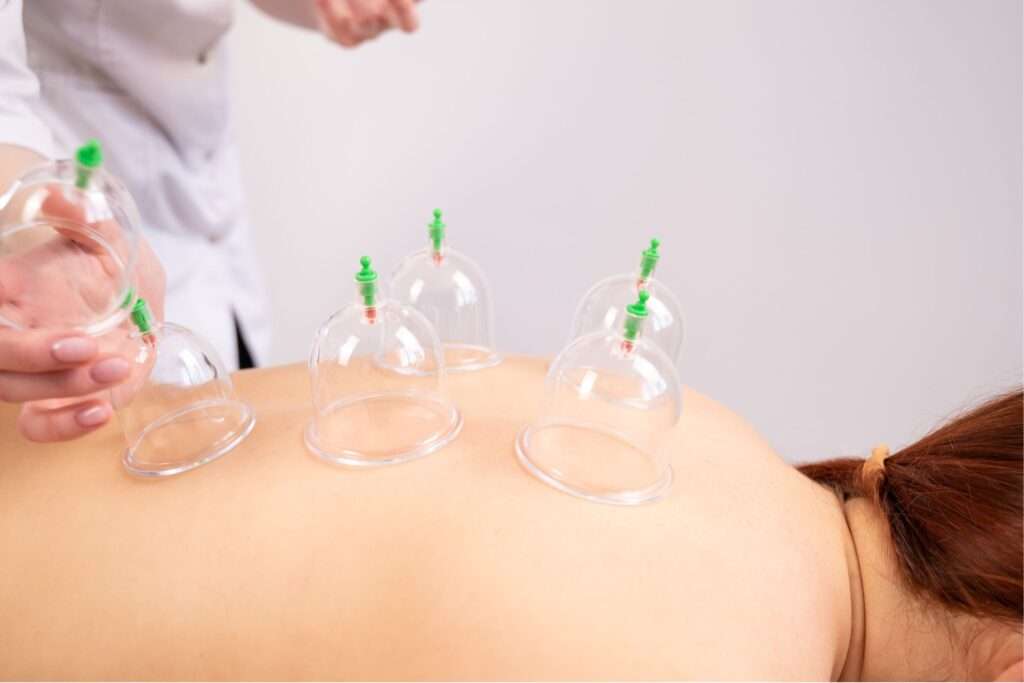
Cupping massage may ease some of the muscle tension and discomfort around a frozen shoulder, but it is not a proven treatment for the condition itself. The research is limited, and the studies that exist usually combine cupping with other therapies, so its own effect is hard to measure. It works best as a relaxing add-on to the exercises and medical care your doctor or physiotherapist recommends.
Revives Home Spa offers dry cupping massage at home across Dubai and Abu Dhabi, with a 4.9 rating from 274 Google reviews. This guide explains what the evidence says and how to use cupping safely.
Key takeaways
- Frozen shoulder affects an estimated 2% to 5% of people, and up to 31% of people with diabetes.
- The NHS says pain and stiffness usually go away eventually, but recovery can take months or years.
- Research on cupping for frozen shoulder is limited and often mixes cupping with other treatments.
- Cupping may help relax tight muscles around the shoulder, but it does not release the stiff joint capsule.
- Gentle exercise and physiotherapy remain the core treatment, so see a doctor before booking.
What is frozen shoulder?
Frozen shoulder, also called adhesive capsulitis, is a condition where the shoulder joint becomes painful and stiff, making it hard to lift or rotate the arm. It happens when the tissue around the joint, known as the capsule, thickens and tightens.
According to a review from the University of Oxford, frozen shoulder affects between 2% and 5% of the general population. It is most common between the ages of 40 and 60, more common in women, and affects between 10% and 31% of people with diabetes.
The NHS says the pain and stiffness usually go away eventually, but it can take months or even years.
What does the research say about cupping for frozen shoulder?
The research on cupping for frozen shoulder is limited and does not show that cupping alone treats the condition. The few trials that exist often test cupping alongside other therapies, so it is hard to know how much of any improvement comes from the cupping itself.
For example, a multicentre randomised trial published in the European Journal of Integrative Medicine in 2020 tested Chuna manual therapy combined with acupuncture and cupping for frozen shoulder. It scored 8 out of 10 for methodological quality on the PEDro scale. However, because cupping was one part of a combined treatment, the study cannot show what cupping does on its own.
How does cupping compare with other frozen shoulder treatments?
Cupping is a supportive therapy, while exercises, physiotherapy and medical treatments target the stiff joint directly. The table below compares the main options so you can see where cupping fits.
| Treatment | What it aims to do | Evidence for frozen shoulder | Role |
|---|---|---|---|
| Gentle home exercises | Keep the shoulder moving | Recommended by the NHS | Core treatment |
| Physiotherapy | Stretching, strengthening and posture | Recommended by the NHS, usually 6 weeks or more | Core treatment |
| Painkillers | Reduce pain so you can move | Recommended by the NHS | Short-term support |
| Steroid injection | Reduce pain and inflammation | Offered by doctors for stronger pain | Medical option |
| Heat pack | Ease pain and stiffness | NHS self-care advice, up to 20 minutes | Home support |
| Cupping massage | Relax surrounding muscles | Limited, often combined with other therapies | Optional add-on |
How can cupping massage help a stiff shoulder?
Cupping massage can help by relaxing the tight muscles that build up around a frozen shoulder. When the joint is stiff, people often hunch or lift the shoulder blade to move the arm, which overworks the neck, upper back and shoulder muscles.
Dry cupping uses silicone or glass cups to create gentle suction on the skin, combined with massage strokes. This may ease tension in the surrounding muscles, so gentle exercises can feel easier afterwards.
Cupping does not stretch the thickened joint capsule, so it should never replace the exercises your physiotherapist gives you.
Is cupping massage safe for frozen shoulder?
Dry cupping is generally safe for healthy adults when a trained therapist carries it out, and it is not usually painful. However, it is not suitable for everyone, so check with your doctor first, especially in the early, painful stage of frozen shoulder.
Avoid cupping, or ask your doctor first, if any of these apply:
- Skin infections, cuts or rashes on the shoulder
- A recent shoulder injury or surgery
- A bleeding disorder, or taking blood thinning medication
- Pregnancy
- Diabetes with fragile skin or slow wound healing
Cupping can leave round, red marks that usually fade within a few days.
What happens during a cupping session for a stiff shoulder?
A cupping session for a stiff shoulder starts with a consultation and focuses on the muscles around the joint rather than forcing movement. At Revives Home Spa, the therapist comes to your home, so you can rest straight afterwards.
- The therapist asks about your diagnosis, pain levels and any treatment you are having.
- You agree which areas to work on, such as the upper back, neck and shoulder blade.
- The therapist applies oil and gently massages the area to warm the muscles.
- Cups are placed and either left still or glided slowly over the muscles.
- Suction is kept gentle around the painful joint and adjusted to your comfort.
- The session ends with light massage, ready for your prescribed exercises later.
You can find out more about our cupping massage, or pair it with a gentler relaxation massage if the shoulder is very sore.
Frequently asked questions
Can cupping cure frozen shoulder?
No, cupping cannot cure frozen shoulder. It may relax the tight muscles around the joint and make you feel more comfortable, but it does not release the stiff joint capsule. Gentle exercise and physiotherapy remain the main treatment.
How many cupping sessions do I need for shoulder pain?
There is no set number of cupping sessions for shoulder pain. Some people book weekly sessions at first, then every two to four weeks. Always follow your doctor or physiotherapist’s advice and combine cupping with your prescribed exercises.
Does cupping hurt a frozen shoulder?
Dry cupping is not usually painful, though you may feel suction and tightness. A trained therapist will keep the pressure gentle around a painful frozen shoulder and adjust it to your comfort throughout the session.
Should I see a doctor before cupping for frozen shoulder?
Yes, it is a good idea to see a doctor before cupping for frozen shoulder. A doctor can confirm the diagnosis, rule out other causes of shoulder pain and recommend exercises or treatment. They can also check that cupping is safe for you.
Can cupping massage help your frozen shoulder?
Cupping massage for frozen shoulder can be a relaxing extra that eases tight muscles around the joint, but it is not a proven treatment for the stiffness itself. The best results come from exercise, physiotherapy and medical advice, with cupping as an optional add-on.
If your doctor agrees it is suitable, Revives Home Spa can bring dry cupping to your home in Dubai or Abu Dhabi. Contact us or call +971 56 580 9888 to book a free consultation.