 +971 56-580-9888
 77, M floor - Al Maiyani Street - Abu Dhabi
If you have spent any time researching natural healing therapies, you have probably come across two terms that get mixed up constantly: cupping massage and Hijama. Both involve cups, both create suction on the skin, and both promise relief from pain and tension. However, they are not the same treatment, and knowing the difference matters before you book a session.
At Revives Home Spa, we offer professional cupping massage in Dubai and Abu Dhabi, and one of the most common questions our clients ask is how it compares to Hijama. This guide breaks down exactly what separates the two, so you can choose the therapy that actually fits your needs.
What is cupping massage?
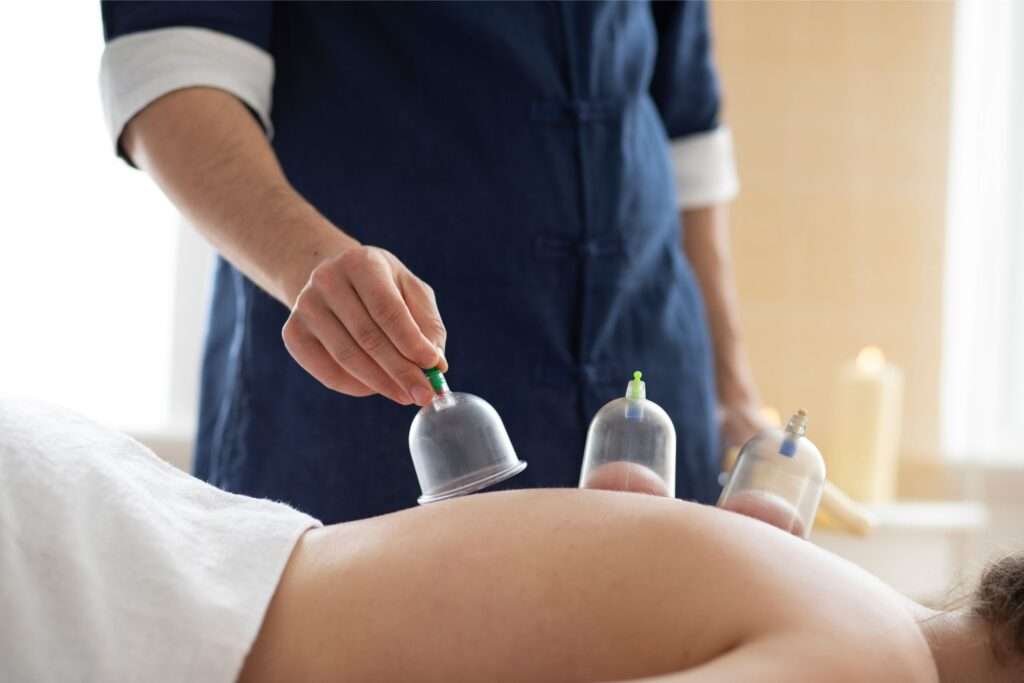
Cupping massage is a dry, non-invasive therapy that uses silicone or glass cups to create gentle suction on the skin. The suction lifts the top layer of tissue, which increases blood flow, loosens tight muscles, and helps the body flush out toxins naturally. No skin is broken during the process, and no blood is drawn at any point.
At Revives, our therapists combine cupping with soothing massage strokes to enhance relaxation while targeting problem areas like the shoulders, back, and legs. Many clients describe the sensation as similar to a deep tissue massage, just with a gliding, suction based pressure instead of hands alone.
Common benefits of cupping massage
Cupping massage is popular for a few clear reasons:
- It improves circulation and helps oxygen reach tired muscles faster.
- It eases stiffness and speeds up recovery after physical activity.
- It supports lymphatic drainage, which aids the body’s natural detox process.
- It is gentle enough to repeat every few weeks without downtime.
Because it is non-invasive, cupping massage works well as a regular wellness treatment rather than a one-time medical procedure.
What is Hijama?
Hijama, often called wet cupping, is a traditional Islamic healing practice with roots going back centuries. The process starts the same way as dry cupping, with cups placed on the skin to create suction. However, after a few minutes, the practitioner makes tiny, shallow incisions on the skin and reapplies the cups to draw out a small amount of blood.
This step is what sets Hijama apart. It is considered a therapeutic and, for many, a spiritual practice rooted in Sunnah tradition, often performed on specific points of the body believed to correspond with different organs and systems.
Why people choose Hijama
People turn to Hijama for reasons that go beyond muscle relief, including:
- A belief in its ability to remove “stagnant” or impure blood from the body.
- Religious or cultural significance tied to Islamic tradition.
- Reported relief from chronic pain, migraines, and fatigue.
- A structured approach that follows specific cupping points on the body.
Because Hijama involves minor incisions, it typically needs to be performed by a trained specialist in a clinical or licensed setting, and it is not something offered as part of a relaxation focused spa menu.
Cupping massage vs Hijama: the key differences
Here is where the two therapies really diverge.
The skin. Cupping massage never breaks the skin. Hijama involves small, controlled incisions before the second round of suction.
The goal. Cupping massage is built for relaxation, circulation, and muscle recovery. Hijama focuses on detoxification through blood extraction and often carries a spiritual or medical intent.
The setting. Cupping massage fits naturally into a spa or home wellness session. Hijama requires a licensed practitioner trained specifically in the procedure, along with sterile equipment for the incision step.
Recovery time. After cupping massage, you can go about your day immediately, aside from some temporary redness. Hijama may require aftercare for the small incision sites, similar to a minor skin procedure.
Frequency. Cupping massage can be repeated every two to four weeks as part of an ongoing wellness routine. Hijama is usually spaced out further, often following specific traditional guidelines.
If your goal is stress relief, better circulation, and a relaxing addition to your massage routine, cupping massage is the better fit. If you are seeking Hijama specifically for its traditional or spiritual significance, you will need a specialized wet cupping practitioner rather than a spa.
Is cupping massage right for you?
Cupping massage suits almost anyone dealing with everyday muscle tension, poor circulation, or general fatigue. It pairs well with a busy lifestyle since there is no downtime involved. That said, people with skin infections, recent injuries, or bleeding disorders should avoid the treatment, and a quick consultation with your therapist beforehand is always a good idea.
At Revives Home Spa, every cupping session is tailored to your specific concerns, whether that is easing back pain, improving mobility, or simply unwinding after a long week. Our therapists bring everything needed directly to your home in Dubai or Abu Dhabi, including the cups, oils, and a calm setup designed for full relaxation. You can browse our full range of treatments, including deep tissue massage, to build a wellness routine around your needs. Learn more about our approach on our about page.
Frequently asked questions
Is cupping massage painful? No. Most clients feel mild suction or tightness rather than pain. Temporary redness or light marks may appear afterward, which is a normal sign of increased blood flow.
Does cupping massage involve any blood extraction like Hijama? No. Cupping massage is entirely dry and non-invasive. Blood extraction only happens during Hijama, which involves shallow incisions.
How often should I get a cupping massage? Once every two to four weeks works well for general wellness. If you are managing chronic tension, weekly sessions may help initially.
Can I get Hijama at a home spa? No. Hijama requires a licensed specialist due to the incision step. Home spas typically offer dry cupping massage instead, which is safe, relaxing, and requires no special medical license.
Who should avoid cupping massage? Anyone with skin infections, recent injuries, or bleeding disorders should skip cupping therapy. A brief consultation with your therapist can confirm if it is right for you.
Book your cupping massage today
Understanding the difference between cupping massage and Hijama helps you choose the treatment that actually matches your goals. If you are looking for a relaxing, non-invasive way to relieve tension and boost circulation, Revives Home Spa brings professional cupping massage straight to your door in Dubai and Abu Dhabi.
Book your appointment today and feel the difference for yourself.