 +971 56-580-9888
 77, M floor - Al Maiyani Street - Abu Dhabi
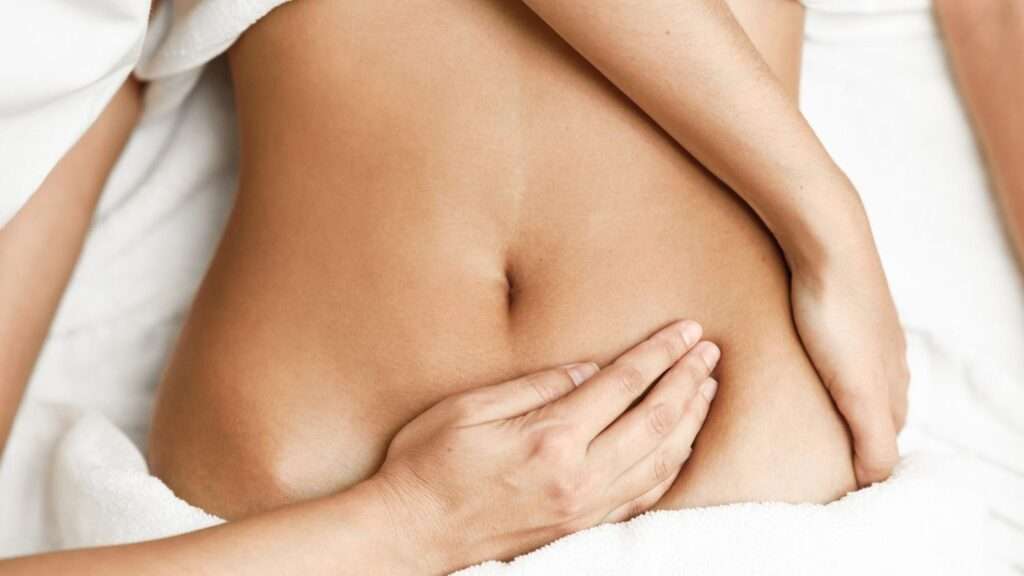
Not all massage works toward the same goal. A traditional massage, whether that’s deep tissue or a classic relaxation session, is built around muscles: working out tension, easing tightness, and helping the body physically unwind. Lymphatic drainage massage does something quite different. It targets the body’s lymphatic system rather than muscle tissue, using a much lighter touch to encourage fluid movement rather than release tension.
Understanding that distinction makes it a lot easier to choose the right treatment, rather than assuming any massage will address swelling, or that lymphatic drainage will help with muscle soreness the way a deep tissue session would.
What traditional massage actually targets
Traditional massage styles, including deep tissue and relaxation massage, work directly on muscles and connective tissue. Deep tissue massage uses firm, sustained pressure to reach deeper muscle layers, breaking up tension and knots that build up from stress, poor posture, or physical activity. Relaxation massage takes a gentler approach with the same general focus, using lighter, flowing strokes across the muscles to calm the nervous system rather than working deeply into tight spots. In both cases, the massage is interacting primarily with muscle tissue, and the goal is either physical release of tension or a general sense of calm.
What lymphatic drainage massage actually does
Lymphatic drainage massage doesn’t work on muscles at all in the same way. It uses very light, rhythmic strokes designed to stimulate the lymphatic system, the network responsible for draining excess fluid and waste from the body’s tissues. Rather than applying pressure to release muscle tension, the technique gently encourages lymph fluid to move toward the lymph nodes, where it can be filtered and processed. The pressure used is deliberately much lighter than in a traditional massage, since the lymphatic vessels sit close to the skin’s surface and firm pressure would actually be counterproductive.
Pressure and technique: the biggest practical difference
If you were to compare the two side by side, the most obvious difference would be pressure. Deep tissue massage relies on strong, targeted pressure to reach muscle layers below the surface. Lymphatic drainage uses light, almost gentle strokes that barely compress the skin, following specific directional patterns toward the lymph nodes rather than working into a particular sore spot. Someone expecting a lymphatic drainage session to feel like a deep tissue massage is often surprised by how gentle it actually is, and that’s by design rather than a lighter version of the same technique.
What each one is best suited to address
Traditional massage is the better choice for muscle-related concerns: chronic tension, tightness from exercise or poor posture, and general stress that shows up as physical tightness in the shoulders, neck or back. Deep tissue massage in particular is suited to genuinely stubborn knots and long-standing tension, while relaxation massage suits general stress relief and unwinding rather than targeting a specific muscular issue.
Lymphatic drainage is the better choice when the concern is swelling, fluid retention, or a sluggish feeling in the body rather than muscle tightness. It’s often used to help with puffiness in the hands, feet or ankles, and to support the body’s natural detoxification process during recovery from surgery or periods of reduced mobility. It’s also used simply to support overall immune function, since the lymphatic system plays a direct role in the body’s defences.
Can the two be combined?
There’s no reason lymphatic drainage and traditional massage can’t both have a place in someone’s routine, since they’re addressing different things. A person dealing with both muscle tension from a physically demanding week and noticeable swelling in their legs might benefit from alternating between the two, or from booking each type depending on what their body needs at a given time, rather than treating them as interchangeable options for the same problem.
Who should be cautious with each type
Both massage types carry a few situations worth flagging with a therapist beforehand. Deep tissue massage’s firmer pressure isn’t always suitable for people with certain injuries, recent surgery, or specific medical conditions affecting bones or soft tissue. Lymphatic drainage, despite its gentle nature, isn’t automatically safe for everyone either. People with acute infections, certain heart conditions, blood clots, or kidney issues should speak to a doctor before booking, since stimulating fluid movement isn’t appropriate in every medical situation. Being upfront with a therapist about any health conditions before either type of session helps ensure the treatment is genuinely suited to what your body needs.
Choosing between the two for your next session
If the goal is working out physical tension, addressing tightness from exercise, or simply unwinding after a stressful stretch, a relaxation massage or deep tissue session is the more direct route. If the concern is swelling, fluid retention, or supporting the body’s recovery and immune function, lymphatic drainage massage is built specifically for that purpose in a way that traditional massage simply isn’t designed to address.
Frequently Asked Questions
Is lymphatic drainage massage more effective than deep tissue massage? Neither is more effective in general terms, since they’re designed for different purposes. Deep tissue massage is better suited to muscle tension, while lymphatic drainage is better suited to swelling and fluid retention.
Does lymphatic drainage massage feel the same as a regular massage? No. Lymphatic drainage uses much lighter, rhythmic strokes compared to the firmer pressure typical of deep tissue massage, and it can feel noticeably gentler than people expect.
Can I book both lymphatic drainage and a traditional massage in the same routine? Yes. Since they address different things, many people alternate between the two depending on whether they’re dealing with muscle tension or swelling and fluid retention at any given time.
Is lymphatic drainage massage safe for everyone? It’s generally safe and gentle, but people with acute infections, certain heart conditions, blood clots, or kidney issues should consult a doctor first and inform their therapist of any medical conditions before booking.
Which type of massage is better for reducing swelling in the legs or feet? Lymphatic drainage massage is specifically designed to reduce swelling and support fluid movement, making it the more suitable option for this particular concern compared to a traditional massage.
Book the right massage for what your body needs
Traditional massage and lymphatic drainage aren’t competing options, they’re built for different purposes. Knowing whether your body needs muscle tension released or fluid movement supported makes it much easier to choose the session that will actually make a difference.
Book your session with Revives Home Spa or call +971 56-580-9888 to talk through which massage suits what you’re dealing with.