 +971 56-580-9888
 77, M floor - Al Maiyani Street - Abu Dhabi
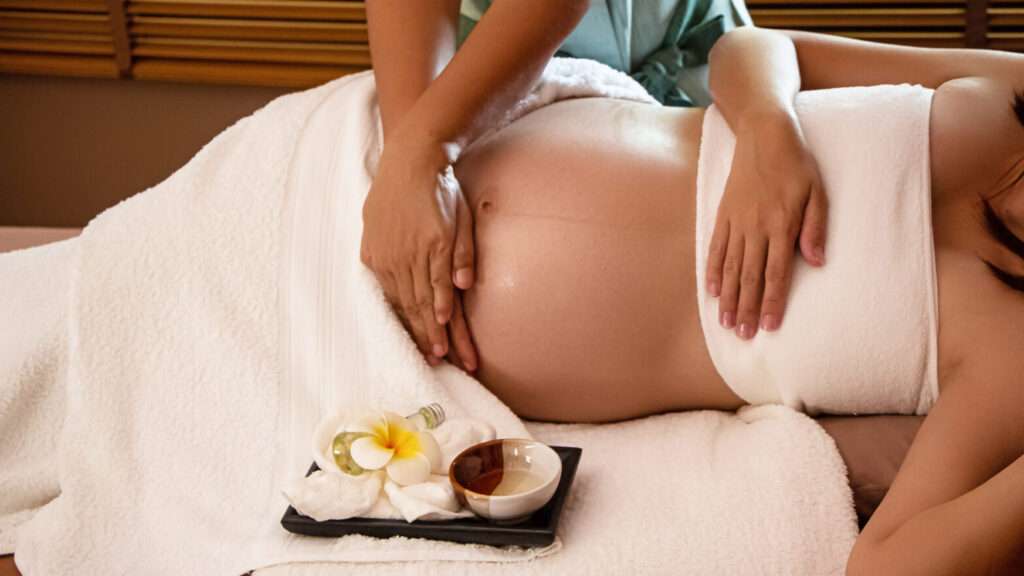
Postpartum massage is often talked about in terms of physical recovery, easing back pain, supporting circulation, helping the body settle after birth.
What gets discussed less often is a growing body of research looking specifically at how massage relates to postpartum mood. This is worth approaching carefully and honestly, because mood in the postpartum period touches on something far more significant than muscle tension.
Here’s what the research actually says, what it doesn’t say, and why this is a conversation that belongs alongside, not instead of, proper medical and mental health support.
Why Researchers Have Looked at This at All
The postpartum period is a time of major physical, hormonal and emotional adjustment, and mood changes during this window are common and well documented, ranging from the relatively mild and temporary “baby blues” through to more significant and lasting postpartum depression. Given that massage is known to reduce stress and cortisol levels more broadly, researchers have specifically studied whether it might offer measurable support during this particular period.
What the Studies Have Found
A number of studies, including research from the Touch Research Institute, have examined massage during pregnancy and its relationship to postpartum outcomes. One frequently cited study found that women who received massage during pregnancy showed lower depression scores and lower cortisol levels following delivery, compared to women who did not receive massage.
Related research using functional MRI observed increased blood flow to brain regions associated with mood regulation and stress response, which researchers suggested might help explain the observed effect.
More recent, smaller randomized controlled trials have looked specifically at massage given during the early postpartum period itself, rather than during pregnancy, generally finding reductions in measures like the Edinburgh Postnatal Depression Scale (EPDS) among women who received massage compared to those who didn’t. Other studies have looked at combined mother and infant massage, similarly reporting improvements in measures of maternal depression, stress and fatigue.
Being Honest About the Limits of This Research
It’s worth being upfront about a few things. Many of these studies involve relatively small groups of participants, sometimes as few as two to three dozen women, which means the findings, while genuinely promising, aren’t yet the kind of large-scale, robust evidence that would let anyone claim massage reliably treats postpartum depression.
Researchers themselves generally describe massage as a potentially supportive, complementary practice, not a proven standalone treatment, and several reviews on this topic explicitly call for larger studies before stronger conclusions can be drawn.
This distinction matters. Genuine postpartum depression is a real, sometimes serious mental health condition, and it deserves proper clinical assessment and treatment, not a wellness alternative positioned in place of that care.
What Seems to Be Happening, Physiologically
The proposed mechanism behind these findings generally centres on a few overlapping effects that massage is known to have more broadly: reduced cortisol, the body’s primary stress hormone, alongside increases in serotonin and dopamine, neurotransmitters associated with mood regulation.
Improved sleep quality, reduced physical discomfort, and simply having dedicated time for rest and care during an intensely demanding period may also play a meaningful role, separate from any specific biochemical mechanism.
Where Massage Genuinely Fits Into Postpartum Support
Based on the current research, massage appears reasonable to consider as one part of a broader postpartum support picture, alongside rest, social support, proper nutrition, and crucially, appropriate medical and mental health care when needed. It is not positioned by the research, or by us, as a replacement for professional evaluation or treatment if you are experiencing significant or persistent low mood, anxiety, or other symptoms following birth.
If you’re simply looking for physical recovery support, relaxation, and a dedicated window of care during a demanding time, that’s exactly what a well-delivered postnatal massage is designed to offer, and the research suggests this kind of support may carry mood benefits alongside the physical ones.
What a Session Actually Looks Like
Our certified postnatal therapists begin every session with a conversation about how you’re feeling, physically and otherwise, and tailor the approach accordingly, whether that’s addressing shoulder and back tension from feeding, supporting general relaxation, or simply providing a calm, uninterrupted hour in what can be an otherwise non-stop stretch of early motherhood. You can read more about our approach on our pre and post natal massage page.
If You’re Struggling With Your Mood After Birth
If you’re experiencing persistent low mood, anxiety, difficulty bonding, or thoughts that concern you following the birth of your baby, please speak with your doctor, midwife, or a mental health professional.
Postpartum depression and related conditions are common, treatable, and nothing to feel ashamed of, and proper clinical support, not massage alone, is the appropriate first step if you recognise these signs in yourself.
Frequently Asked Questions
Can massage cure or treat postpartum depression? No. Research suggests massage may offer supportive benefits alongside standard care, but it is not established as a treatment for postpartum depression, which requires proper clinical assessment and, where appropriate, professional treatment.
Is the research on massage and postpartum mood strong enough to rely on? The existing studies are genuinely promising but generally small in scale. Researchers themselves call for larger studies before drawing firm conclusions, so it’s best understood as encouraging early evidence rather than settled fact.
Should I mention my mood to my massage therapist? Yes, sharing how you’re feeling helps your therapist tailor the session appropriately, though a massage therapist is not a substitute for a doctor or mental health professional if you’re experiencing significant symptoms.
How soon after birth can postpartum massage begin? This varies by individual recovery and delivery type, particularly following a caesarean birth, so it’s best discussed with your doctor before booking.
Is it normal to feel low or overwhelmed after having a baby? Mild, temporary mood changes, often called the baby blues, are common in the days after birth. If these feelings are severe, persistent beyond a couple of weeks, or interfere with daily functioning, it’s important to speak with a healthcare professional.
Conclusion
Postpartum mood and massage research points to a genuinely interesting, if still developing, area of evidence, suggesting that massage may offer meaningful support for mood alongside its well-established physical benefits. That said, this research should be understood as complementary to proper care, not a substitute for it.
If you’re navigating the postpartum period, a well-delivered massage can be a genuine source of comfort and support, and if you’re struggling with your mood, please reach out to a doctor or mental health professional alongside anything else you try.
Book Your Postpartum Massage at Home
Ready for dedicated care and support during your postpartum recovery? Book your session with Revives Home Spa in Dubai or Abu Dhabi today.