 +971 56-580-9888
 77, M floor - Al Maiyani Street - Abu Dhabi
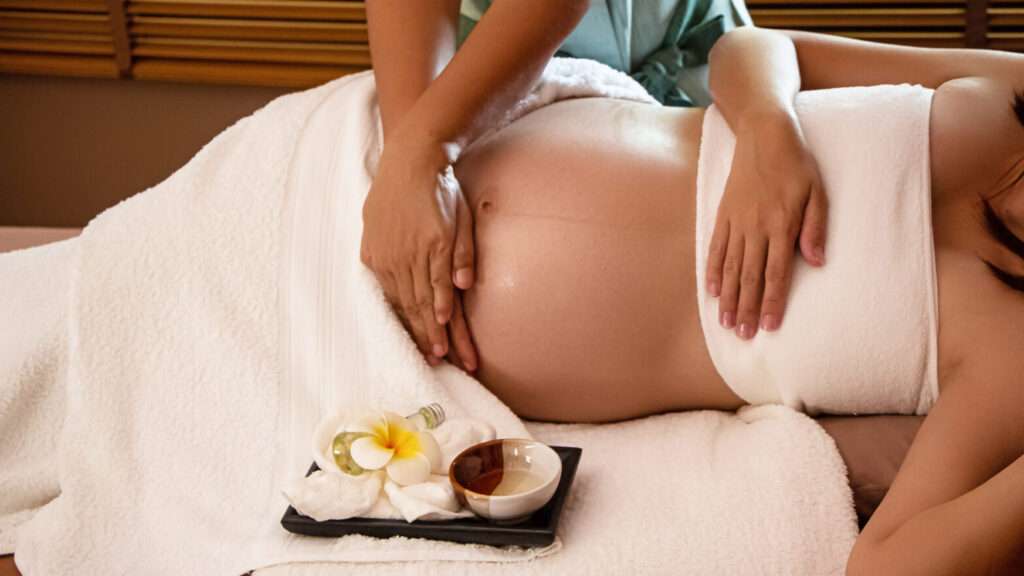
Prenatal massage is specifically adapted to support the physical and physiological changes that occur during pregnancy. One of the most important safety modifications is side-lying positioning. This technique ensures comfort, protects circulation, and allows therapists to safely address common pregnancy-related discomforts.
In this guide, we’ll explore why side-lying positioning is used, how it works, and why it’s considered the safest approach in prenatal massage therapy.
What Is Side-Lying Positioning in Prenatal Massage?
Side-lying positioning means the pregnant client lies comfortably on her left or right side during the massage, supported by pillows and bolsters. The body is aligned to reduce pressure on the abdomen while maintaining proper spinal positioning.
Unlike traditional massage, where clients lie face down or on their back, prenatal massage uses this modified posture to:
-
Prevent pressure on the uterus
-
Maintain healthy blood circulation
-
Reduce strain on the lower back and pelvis
-
Improve overall comfort during treatment
Why Side-Lying Is the Safest Position During Pregnancy
As pregnancy progresses, lying flat on the back can compress the inferior vena cava, a major vein responsible for returning blood from the lower body to the heart. This condition, called supine hypotensive syndrome, may cause:
-
Dizziness
-
Nausea
-
Shortness of breath
-
Reduced circulation to the placenta
Side-lying positioning avoids this risk by keeping pressure off major blood vessels and supporting steady blood flow to both mother and baby.
Most professional prenatal massage guidelines recommend side-lying as the primary treatment position after the first trimester.
How Therapists Properly Support the Body
Proper bolstering is essential. A trained prenatal massage therapist uses:
-
A pillow under the head and neck
-
A pillow between the knees
-
A pillow supporting the abdomen
-
A bolster behind the back for stability
This alignment helps:
-
Reduce hip strain
-
Ease pelvic tension
-
Minimize shoulder compression
-
Keep the spine neutral
Correct support not only improves safety but also enhances treatment effectiveness.
Benefits of Side-Lying Positioning
1. Improved Circulation
Maintaining open blood flow supports oxygen delivery and reduces swelling in the legs and feet.
2. Reduced Lower Back Pressure
The side-lying posture allows therapists to work deeply yet safely on lumbar muscles without compressing the spine.
3. Better Pelvic and Hip Access
Pregnancy often causes pelvic imbalance. Side-lying positioning gives therapists ideal access to the gluteal muscles and hip stabilizers.
4. Enhanced Relaxation
Clients generally feel more secure and less physically strained compared to back-lying positions.
When Side-Lying Positioning Is Most Important
Side-lying positioning becomes especially important:
-
During the second and third trimesters
-
If the client experiences dizziness while lying on her back
-
When treating sciatic nerve pain
-
When addressing hip and sacroiliac discomfort
Even in early pregnancy, many therapists prefer side-lying for consistency and comfort.
How Side-Lying Improves Treatment Outcomes
Side-lying positioning allows therapists to use:
-
Long gliding strokes along the back
-
Gentle circular techniques around the hips
-
Targeted work on the neck and shoulders
-
Light lymphatic techniques for swelling
Because the client is relaxed and supported, muscles respond better to treatment, leading to improved results.
Choosing a Qualified Prenatal Massage Therapist
Not all massage therapists are trained in prenatal care. A certified prenatal massage therapist understands:
-
Anatomical changes during pregnancy
-
Proper side-lying bolstering techniques
-
Pressure modifications
-
Contraindications and high-risk conditions
Before booking, confirm that your therapist has prenatal-specific training.
Final Thoughts
Side-lying positioning is not just a comfort preference—it is a safety standard in prenatal massage therapy. By protecting circulation, supporting spinal alignment, and allowing effective muscle treatment, this position ensures both safety and therapeutic benefit.
If you’re considering prenatal massage, choosing a trained professional who prioritizes correct positioning is essential for a safe and effective experience.