 +971 56-580-9888
 77, M floor - Al Maiyani Street - Abu Dhabi
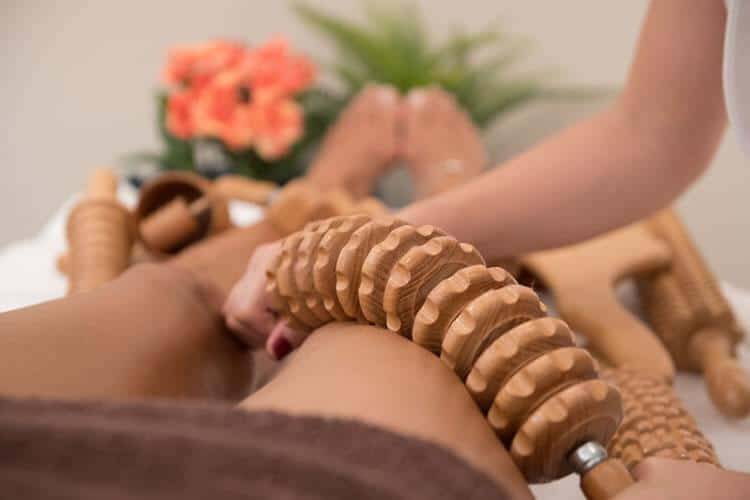
Maderotherapy massage has quickly gained recognition as a powerful, non-invasive body sculpting treatment that blends traditional techniques with modern wellness goals. Originating from Colombia, this wood therapy massage uses specially designed wooden tools to stimulate the body, reshape problem areas, and support overall health. Unlike temporary cosmetic fixes, maderotherapy focuses on improving the body’s natural processes to deliver visible, long-lasting results.
This blog explores how maderotherapy works, its benefits, who it’s best for, and why it has become a preferred choice for natural body contouring and holistic wellness.
What Is Maderotherapy Massage?
Maderotherapy massage is a therapeutic technique that uses handcrafted wooden tools to manipulate the skin, muscles, and connective tissues. Each tool is designed for a specific purpose, such as breaking down fat deposits, stimulating lymphatic drainage, or improving muscle tone.
The massage targets areas prone to fat accumulation and cellulite, including the abdomen, thighs, hips, arms, and back. Through rhythmic and firm movements, maderotherapy helps activate the lymphatic system and boost circulation, allowing the body to eliminate toxins more efficiently.
The Science Behind Maderotherapy
While maderotherapy has traditional roots, its effectiveness is supported by modern physiological principles. The controlled pressure applied during the massage stimulates blood flow and encourages the breakdown of adipose tissue (fat cells). At the same time, the lymphatic system is activated, helping the body remove excess fluids and waste products.
Improved circulation brings more oxygen and nutrients to the tissues, which supports skin regeneration and collagen production. This is why many clients notice not only inch loss but also smoother, firmer, and more radiant skin after consistent sessions.
Key Benefits of Maderotherapy Massage
Maderotherapy offers a wide range of benefits that go beyond aesthetics. One of its most popular advantages is natural body contouring. By targeting stubborn fat pockets, the massage helps reshape the body without surgery or downtime.
Another major benefit is cellulite reduction. The wooden tools work to smooth the fibrous bands beneath the skin that cause the dimpled appearance of cellulite. Over time, skin texture becomes more even and toned.
Maderotherapy is also highly effective for lymphatic drainage. This helps reduce water retention, bloating, and swelling while supporting the immune system. Many clients report feeling lighter and less inflamed after sessions.
Additionally, the massage relieves muscle tension, improves flexibility, and promotes deep relaxation, making it beneficial for both physical and mental well-being.
Areas Commonly Treated With Maderotherapy
Maderotherapy can be customized to treat specific areas depending on individual goals. The abdomen is one of the most requested zones, as the massage helps reduce bloating and define the waistline.
Thighs and hips are also popular treatment areas, particularly for clients seeking cellulite reduction and smoother contours. Arms benefit from improved tone and reduced sagging, while back treatments help minimize fat rolls and enhance posture.
Some practitioners also offer facial maderotherapy, which focuses on lymphatic drainage, facial sculpting, and skin rejuvenation using smaller wooden tools.
Who Is an Ideal Candidate for Maderotherapy?
Maderotherapy is suitable for most adults who want a natural approach to body shaping and wellness. It is ideal for individuals struggling with localized fat, mild to moderate cellulite, or fluid retention.
This treatment is especially appealing to those who prefer non-invasive solutions and want to avoid surgical procedures. It can also complement a healthy lifestyle that includes proper nutrition and regular physical activity.
However, maderotherapy may not be recommended for individuals with certain medical conditions such as active infections, severe varicose veins, or pregnancy unless approved by a healthcare provider.
What to Expect During a Maderotherapy Session
A typical maderotherapy session begins with a consultation to assess goals and target areas. The therapist then applies oil or lotion to allow smooth movement of the wooden tools across the skin.
The massage involves firm, repetitive strokes that may feel intense but should not be painful. Some redness is normal and usually subsides within a few hours. Sessions typically last between 45 to 60 minutes, depending on the areas treated.
For optimal results, a series of sessions is recommended. Many clients notice visible improvements after just a few treatments, with more dramatic changes occurring over time.
How Often Should You Get Maderotherapy?
The frequency of maderotherapy sessions depends on individual goals. For body contouring and cellulite reduction, therapists often recommend two to three sessions per week initially. Once desired results are achieved, maintenance sessions can be scheduled monthly.
Consistency is key. When combined with hydration, balanced nutrition, and light exercise, maderotherapy results tend to be more noticeable and long-lasting.
Maderotherapy vs. Other Body Contouring Treatments
Unlike machine-based or surgical body contouring methods, maderotherapy relies entirely on manual techniques and natural stimulation. There are no needles, no anesthesia, and no recovery time.
Compared to traditional massage, maderotherapy is more targeted and structured, focusing on reshaping and detoxification rather than relaxation alone. This makes it an excellent choice for clients who want both therapeutic and aesthetic benefits.
Final Thoughts on Maderotherapy Massage
Maderotherapy massage is more than a trend—it is a holistic treatment that supports the body’s natural ability to detoxify, sculpt, and rejuvenate itself. With consistent sessions and professional application, it offers a safe, effective, and natural alternative to invasive body contouring procedures.
Whether your goal is to reduce cellulite, tone your body, or simply feel lighter and more balanced, maderotherapy provides a results-driven approach rooted in both tradition and science.