 +971 56-580-9888
 77, M floor - Al Maiyani Street - Abu Dhabi
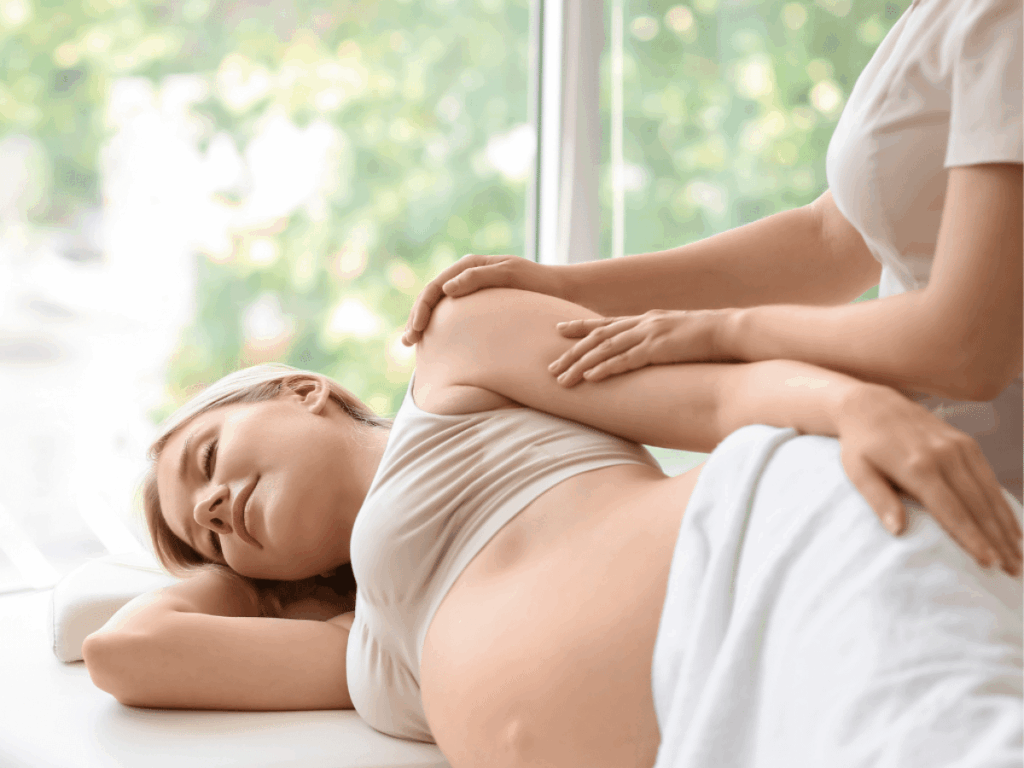
Becoming a new mom is an incredible journey, but it comes with significant physical and emotional changes. Pregnancy and childbirth put immense strain on your body, from stretched muscles to hormonal shifts. Postnatal massage is a gentle, effective way to support your recovery, reduce pain, and promote overall wellbeing. In this blog, we will explore the benefits of postnatal massage, the techniques involved, and how it can help you regain your energy and confidence.
What is Postnatal Massage?
Postnatal massage is a therapeutic technique specifically designed for women who have recently given birth. Unlike standard massages, postnatal massage focuses on the unique needs of new mothers, addressing areas like the lower back, abdomen, pelvic floor, and shoulders. It helps restore the body’s balance, relieves tension, and promotes faster recovery after childbirth.
This type of massage can be adapted for mothers who have had vaginal deliveries, cesarean sections, or complicated pregnancies. Certified therapists ensure safety and provide personalized care tailored to each mother’s recovery journey.
Benefits of Postnatal Massage
1. Relieves Muscle Pain and Tension
Pregnancy often leads to sore muscles, especially in the lower back, shoulders, and neck. Postnatal massage targets these areas, helping to relax tight muscles and relieve chronic pain. Gentle kneading and stretching improve blood flow, which reduces muscle stiffness and enhances flexibility.
2. Supports Pelvic Floor Recovery
The pelvic floor undergoes significant stress during childbirth. Postnatal massage, combined with pelvic floor exercises, can improve circulation in this area, reduce discomfort, and promote faster healing. Massaging the lower abdomen and pelvis can help restore muscle tone and support postpartum recovery.
3. Reduces Stress and Promotes Relaxation
Hormonal fluctuations and sleep deprivation can leave new mothers feeling anxious or fatigued. Postnatal massage stimulates the release of endorphins, helping to reduce stress and improve mood. Even a 30-minute session can provide much-needed mental and emotional relief, making it easier to care for your newborn.
4. Improves Circulation and Reduces Swelling
Fluid retention and poor circulation are common after childbirth, leading to swelling in the legs and feet. Postnatal massage techniques, including gentle strokes and lymphatic drainage, enhance blood and lymph flow, helping to reduce swelling and promote detoxification.
5. Enhances Postpartum Recovery and Body Alignment
Postnatal massage supports the realignment of the spine and pelvis, which may have shifted during pregnancy and labor. By improving posture and releasing tension, massage can prevent long-term back and joint problems, making it easier to resume daily activities and physical exercise.
Popular Postnatal Massage Techniques
Swedish Massage
Swedish massage is a gentle, full-body technique that uses long strokes, kneading, and circular movements. It promotes relaxation, improves circulation, and reduces muscle tension, making it ideal for new mothers who need overall stress relief and rejuvenation.
Deep Tissue Massage
Deep tissue massage targets deeper layers of muscle and connective tissue. It is particularly effective for mothers experiencing persistent back or shoulder pain after carrying a newborn. The therapist applies firm pressure to release knots and improve muscle flexibility.
Lymphatic Drainage Massage
This technique stimulates the lymphatic system, helping to reduce postpartum swelling and remove excess fluid from the body. Lymphatic drainage massage can also boost immunity and promote detoxification, supporting faster recovery.
Abdominal and Pelvic Massage
Abdominal and pelvic massage focuses on the lower stomach and pelvic area to help restore muscle tone and support uterine recovery. Gentle techniques help reduce bloating, relieve tension, and improve core strength, aiding overall postpartum healing.
Aromatherapy Massage
Using essential oils, aromatherapy massage combines the benefits of touch with soothing scents to reduce stress and promote relaxation. Oils like lavender, chamomile, and rose are often used to calm the mind and enhance emotional wellbeing.
When to Start Postnatal Massage
Most healthcare professionals recommend waiting 6–8 weeks after childbirth before starting postnatal massage, especially for mothers who had a cesarean section. Always consult with your doctor to ensure it is safe for you. Once cleared, regular massage sessions can accelerate recovery and provide long-lasting benefits.
Tips for a Successful Postnatal Massage
-
Choose a Certified Therapist: Look for therapists trained in postnatal massage techniques who understand the physical and emotional needs of new mothers.
-
Communicate Your Needs: Share your birth experience, pain areas, and any medical concerns with your therapist.
-
Stay Hydrated: Drinking water before and after massage helps flush out toxins released during the session.
-
Pair with Postnatal Exercises: Gentle stretching and pelvic floor exercises can enhance the benefits of massage.
-
Create a Relaxing Environment: Soft music, dim lighting, and comfortable positioning can enhance relaxation.
Conclusion
Postnatal massage is more than just a luxury—it is an essential part of postpartum recovery. From reducing muscle pain and swelling to promoting relaxation and emotional wellbeing, it addresses the unique challenges faced by new mothers. By incorporating regular postnatal massage into your self-care routine, you can support your body’s recovery, regain strength, and enjoy a smoother transition into motherhood.
Whether you are a first-time mom or adding to your family, postnatal massage provides a safe, natural, and effective way to nurture your body and mind during this special period of life.