 +971 56-580-9888
 77, M floor - Al Maiyani Street - Abu Dhabi
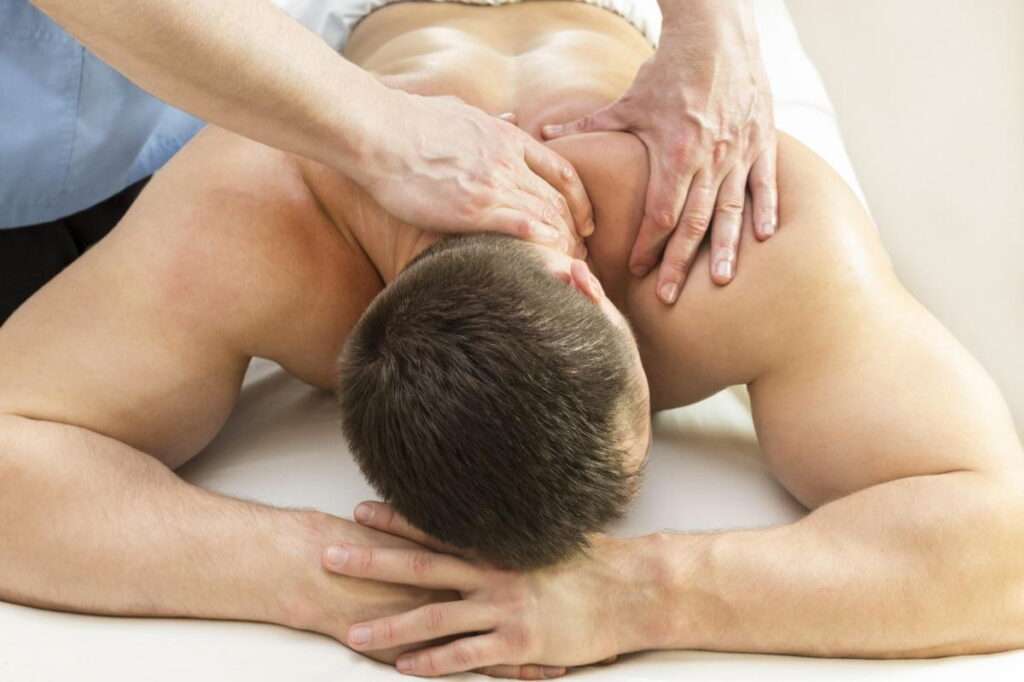
For athletes and active individuals, rest days are just as important as training days. But how do you optimize rest, reduce soreness, and come back stronger? Enter sports massage — a therapeutic tool that many professionals integrate into their routines. In this post, we explore the evidence, benefits, and best practices of sports massage. Whether you’re a gym enthusiast, weekend warrior, or competitive athlete, you’ll find actionable insights you can apply immediately.
1. What Is Sports Massage & How Does It Differ From Other Massage Types?
-
Sports massage is a technique focused on soft tissues (muscles, ligaments, fascia) tailored to people engaged in regular physical activity.
-
Unlike a relaxation or Swedish massage, sports massage often uses deeper pressure, targeted techniques (trigger-point, cross-fiber friction), and sequences based on athletic needs.
-
It can be used pre-event (before competition), post-event, or as maintenance/therapeutic work.
2. What the Research Says: Benefits & Limits
✅ Proven Benefits
-
A meta-analysis showed small but significant improvements in flexibility and relief from delayed onset muscle soreness (DOMS) after massage.
-
Massage helps with muscle relaxation, local circulation, and lymphatic drainage, which aid in reducing stiffness and discomfort.
-
It also offers psychological benefits — lower stress, improved mood, and a subjective feeling of recovery.
⚠️ Limitations & Realistic Expectations
-
The same meta-analysis found no strong evidence that sports massage significantly improves strength, sprint performance, or endurance.
-
Sports massage should be seen as supportive, not a magic bullet. It won’t replace training, nutrition, or rest.
-
The effectiveness often depends on timing, technique, the individual’s condition, and consistency.
3. Key Benefits in Practice
| Benefit | How It Works | When It’s Most Useful |
|---|---|---|
| DOMS Reduction | Massage aids in removing metabolic waste, reducing inflammation, and easing tension. | 6–24 hours post-exercise |
| Improved Flexibility & Range of Motion | Techniques like deep strokes, stretching, and cross-fiber work loosen adhesions and tissue tightness. | Before heavy lifting or mobility training |
| Faster Recovery | Enhances circulation, helps oxygen delivery, and supports waste removal. | After intense training or competitions |
| Injury Prevention & Rehabilitation | By addressing muscle imbalances, scarring, or tight zones before they worsen. | Ongoing maintenance phase |
| Stress Relief & Mental Recovery | Triggers parasympathetic activation (rest & digest), lowers cortisone. | During rest days or high-stress periods |
4. Best Timing & Frequency Strategies
🕒 Pre-event / Pre-competition
-
Use light, invigorating strokes (effleurage, gentle compression)
-
Helps warm tissues, reduce tension, and psychologically prepare the body
💤 Post-event / After training
-
Use softer techniques (compression, kneading, friction)
-
Best done 6–24 hours post-exertion
-
Helps with DOMS, circulation, and tissue recovery
📅 Maintenance / Off days
-
Once or twice weekly is common for regular athletes
-
Adjust frequency based on training load, soreness levels, and recovery capacity
5. Techniques & Approaches Which Work Well
-
Effleurage / Long strokes — gentle, warming strokes to start or end sessions
-
Compression & Petrissage — deeper pressure to mobilize muscles
-
Cross-fiber friction — to break down adhesions and scar tissue
-
Trigger-point release — focused pressure on tight spots
-
Myofascial release — gentle sustained pressure to fascia
-
Stretch & neural glides — combined with massage to restore mobility
6. Safety, Contraindications & What to Look for in a Therapist
⚠️ When to Avoid or Modify Massage
-
Acute injury or inflammation (e.g. recent muscle tear)
-
Unhealed fractures or surgical sites
-
Deep vein thrombosis or circulatory disorders
-
Skin conditions, infections, or open wounds
-
Uncontrolled medical conditions (e.g. hypertension, cardiovascular issues)
✅ What Makes a Good Sports Massage Therapist
-
Certification / specialization in sports massage / medical massage
-
Knowledge of anatomy, physiology, injury rehab
-
Ability to adjust pressure, read feedback, and communicate
-
Clean, professional setup with proper tools & hygiene
7. How Revives.ae Integrates Sports Massage for Clients
At Revives.ae, we don’t treat sports massage as a one-size-fits-all. Our approach includes:
-
Initial assessment & consult (injury history, training schedule)
-
Customized session plans (pre-competition, post-training, maintenance)
-
Integration with other therapies — stretching, physiotherapy, mobility work
-
Tracking progress via mobility tests, pain levels, flexibility metrics
-
Holistic support (hydration, rest, recovery guidance)
When you book with us, you’re not just getting a massage — you’re getting a performance-oriented recovery plan.
8. Call to Action & How to Book
Ready to feel stronger, move better, and recover faster?
Book your sports massage session at Revives.ae today and unlock your full athletic potential.
👉 www.revives.ae
📞 Contact us now to schedule your consultation and massage plan.